
Fix Sagging Slings: 7 Powerful Secrets for Patio Chairs
Don’t let worn-out patio furniture diminish your outdoor enjoyment. Learning to Fix Sagging Slings is a powerful way to revitalize your chairs, restoring both comfort and aesthetic appeal. Over time, exposure to the elements and consistent use can cause patio chair slings to stretch and lose their tautness, leading to an uncomfortable and unsightly sag. This guide will equip you with the knowledge and actionable steps to bring your outdoor seating back to life.
We will delve into the common causes of sling degradation and provide expert insights into effective repair and replacement strategies. Discover how simple DIY techniques can save you money and extend the lifespan of your beloved patio furniture. Get ready to transform your outdoor space with renewed, supportive seating.
Key Takeaways
- Understand the primary reasons why patio chair slings sag, from UV exposure to everyday wear.
- Discover effective DIY methods and professional services available to restore comfort.
- Learn about the essential tools and durable fabric choices needed for successful sling repair or replacement.
- Evaluate the cost-effectiveness of repairing versus replacing your patio furniture to make informed decisions.
- Gain confidence in measuring and installing new slings to achieve a snug, long-lasting fit for your chairs.
Understanding Why You Need to Fix Sagging Slings and Their Causes
Patio chairs are designed for relaxation, but a sagging sling can quickly turn comfort into an annoyance. Recognizing the signs and understanding the root causes of this common problem is the first step toward effective restoration. When your patio furniture starts to show signs of wear, it’s a clear signal that it’s time to intervene and address the issue.
What Causes Outdoor Furniture Slings to Sag Over Time?
Outdoor furniture slings typically sag due to a combination of environmental factors and regular use. Prolonged exposure to harsh UV radiation from the sun is a primary culprit, breaking down the fabric’s fibers and reducing its elasticity. Moisture, fluctuating temperatures, and consistent weight from users also contribute significantly. These elements degrade the material, causing it to stretch and lose its original tautness over years of use.
Why Do Outdoor Furniture Slings Stretch and Lose Tension?
The stretching and loss of tension in outdoor furniture slings are primarily due to the continuous assault of environmental factors. Intense UV radiation, varying humidity levels, and temperature changes weaken the fabric’s molecular structure. This, combined with the repeated stress of supporting body weight, gradually causes the fabric’s fibers to break down. The result is a noticeable reduction in elasticity, leading to the familiar hammock-like sag.
What Are the Common Signs That a Patio Chair Sling Needs to Be Fixed?
Identifying the need for sling repair is usually straightforward. Common signs include a visibly hammock-like appearance when no one is sitting in the chair. You might also notice a significant loss of fabric tautness, making the chair uncomfortable to sit in due to a lack of proper support. Fraying edges, small tears, or an overall aged and worn aesthetic that detracts from your outdoor space are also clear indicators. Addressing these signs promptly can prevent further damage.
How to Effectively Fix Sagging Slings: Replacement vs. Tightening
When faced with a sagging patio chair, you generally have two main approaches: attempting to tighten the existing sling or replacing it entirely. The most effective method to address the issue often depends on the extent of the damage and the material’s overall condition. Making the right choice ensures a lasting repair and renewed comfort.
How Do You Effectively Fix a Sagging Patio Chair Sling?
The most effective method to fix sagging slings is typically complete replacement. While minor adjustments or tightening might offer temporary relief for very slight looseness, replacing the old, stretched fabric with new, high-quality material ensures lasting tautness. This approach significantly improves comfort and revitalizes the aesthetic of your patio chairs. It’s a long-term solution that addresses the root cause of the sag.
What Are the Step-by-Step Instructions for Tightening Loose Patio Chair Slings?
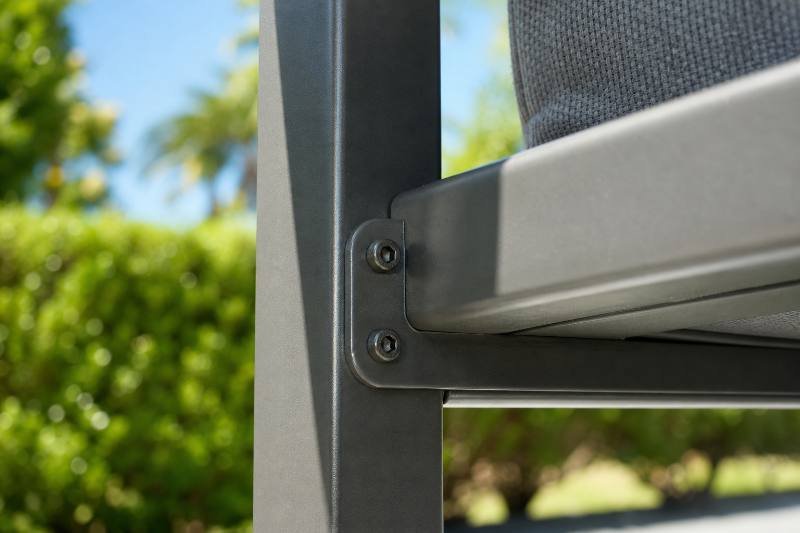
For minor looseness, inspect if the chair’s frame bolts or screws that secure the sling rails can be tightened. Sometimes, simply securing these fasteners can restore some tension. However, if the fabric itself is visibly stretched, degraded, or showing signs of wear, mere tightening is usually a short-term fix. In such cases, replacing the sling is the recommended long-term solution to restore proper tension and appearance. This is a crucial distinction when you aim to achieve effective patio furniture restoration.
Ready to Fix Sagging Slings on Your Patio Chairs?
Patio Chair Slings Guide provides expert resources and step-by-step tutorials, empowering you to restore your outdoor furniture with confidence and ease. Discover the secrets to a perfect, lasting repair.
DIY or Pro? Can You Fix Sagging Slings Yourself?
Deciding whether to tackle sling repair as a DIY project or hire a professional is a common dilemma. Many homeowners successfully learn to repair their slings themselves, while others prefer the convenience and expertise of a professional service. Both options have their merits, depending on your skill level, available time, and the complexity of the repair.
Can I Repair a Sagging Sling Myself or Should I Hire a Professional?
Many sagging slings can be successfully repaired or replaced by a DIY enthusiast. With basic tools and clear guidance, homeowners can confidently undertake the project. Online tutorials and specialized resources make the process accessible. Hiring a professional is recommended for complex chair frames, if you lack the necessary tools, or if you prefer a hands-off approach. Professionals can also offer a wider range of fabric choices and ensure a factory-quality finish.
Who Provides Professional Repair Services for Sagging Outdoor Furniture Slings?
Professional repair services for sagging outdoor furniture slings are typically offered by specialized patio furniture repair shops. Some high-end outdoor living retailers or dedicated furniture restoration businesses also provide these services. Searching online for “patio furniture repair near me” or contacting local outdoor living stores can help you find reputable providers. These experts can efficiently restore your slings, often with guarantees on their work.
Essential Tools and Materials to Fix Sagging Slings
Embarking on a DIY project to address sagging slings requires the right equipment. Having the necessary tools and understanding the materials involved will make the process smoother and ensure a successful outcome. Preparation is key to any home improvement task, especially when dealing with outdoor furniture.
What Tools Are Needed to Replace a Sagging Patio Chair Sling?
Replacing a sagging patio chair sling generally requires a few essential tools. You will need a measuring tape for accurate dimensions, screwdrivers (Phillips and flathead) to disassemble the frame, and a rubber mallet to help with spline insertion. Fabric cutting tools, such as heavy-duty scissors or a utility knife, are also crucial. A spline tool is indispensable for inserting the new spline into the fabric channels. In some cases, a heat gun can make spline installation easier by softening the material.
Are There DIY Kits Available to Fix Sagging Patio Furniture Slings?
Yes, many retailers offer convenient DIY sling replacement kits designed to help you restore your patio furniture. These kits typically include the necessary mesh fabric, spline material, and sometimes even basic tools. They provide a comprehensive solution, empowering homeowners to undertake their patio furniture restoration projects with ease. These kits simplify the process, making it accessible even for those with limited DIY experience.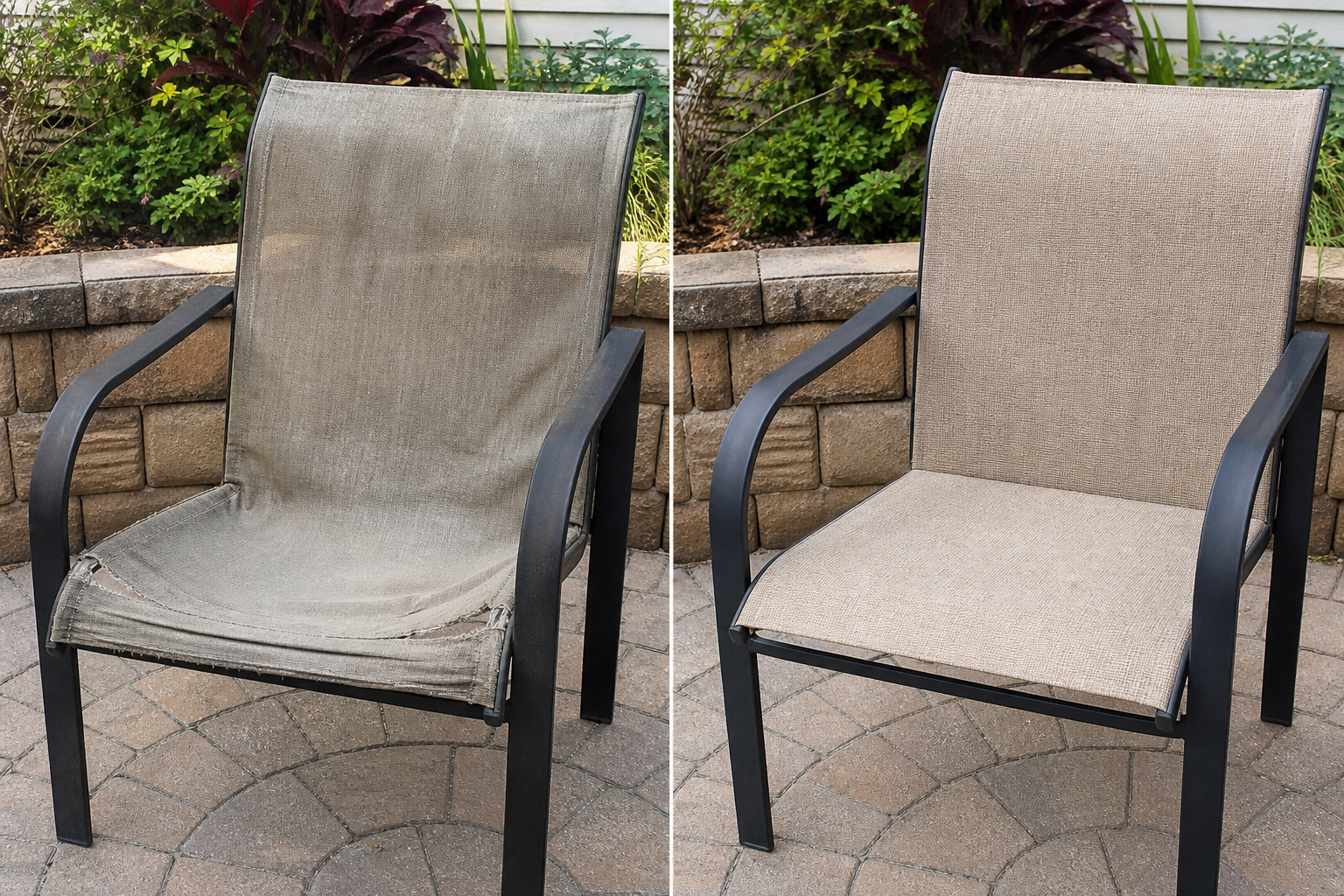
Finding the Best Replacement Slings and Fabrics to Fix Sagging Slings
The quality of your replacement material is paramount for a long-lasting repair. Choosing the right fabric and supplier will ensure your efforts to restore your patio chairs result in durable, comfortable, and aesthetically pleasing outdoor seating. Not all outdoor fabrics are created equal, so informed selection is vital.
Where Can I Buy High-Quality Replacement Slings for Outdoor Chairs?
You can purchase high-quality replacement slings from specialized online retailers focusing on patio furniture parts. Select large home improvement stores may also carry options, or you can buy directly from manufacturers’ authorized dealers. Always look for reputable vendors known for durable, weather-resistant outdoor fabrics like Textilene. Websites such as Patio Chair Slings Guide offer extensive resources and product recommendations to help you find the best materials.
What Type of Fabric Is Most Durable to Prevent Future Sagging in Slings?
Textilene, a PVC-coated polyester mesh fabric, is highly recommended as the most durable option to prevent future sagging. It offers excellent UV resistance, water resistance, and tensile strength. This material is specifically engineered to withstand outdoor elements and maintain its tautness over time. Investing in Textilene or similar high-performance outdoor fabrics is a smart choice when you aim for lasting patio furniture repair.
The Cost to Fix Sagging Slings and Prevent Future Issues
Understanding the financial implications of repairing or replacing slings is essential for budgeting your outdoor furniture maintenance. Weighing the costs against the benefits helps determine the most economical path to enjoy your patio chairs for years to come.
How Much Does It Typically Cost to Replace or Repair a Patio Chair Sling?
The cost to replace or repair a patio chair sling varies significantly. A DIY replacement for materials might range from $30-$100 per sling, depending on the fabric quality and chair size. Professional repair services can cost anywhere from $75-$200+ per sling. This price depends on the chair’s complexity, fabric selection, and regional labor rates. Consider these figures when planning your outdoor furniture restoration.
Is It More Cost-Effective to Repair Sagging Slings or Purchase New Patio Furniture?
In most cases, repairing or replacing sagging slings is significantly more cost-effective than purchasing entirely new patio furniture. This is especially true if your chair frames are still in good condition. Investing in new slings can extend the life of your existing furniture for many years at a fraction of the cost of new pieces. It’s a sustainable and budget-friendly way to refresh your outdoor living space.
Step-by-Step Guide to Measure and Install New Slings to Fix Sagging Slings
Once you have your materials, the final step is accurate measurement and careful installation. Proper execution ensures a snug, professional-looking fit that will last. This detailed guide will help you confidently restore your patio chairs.
How Do I Properly Measure for New Patio Chair Slings to Ensure a Snug Fit?
To measure for new patio chair slings, accurately measure the width between the inside edges of the sling rails. Then, measure the total length from the top to the bottom of the rails, carefully following any curves. It’s crucial to refer to specific measurement guides provided by sling suppliers, as they often advise adding a small allowance for proper tensioning. Precision in measurement is key to ensure your new slings fit perfectly and provide optimal support.
Where Can I Find Reliable Tutorials or Guides for Replacing Patio Chair Slings?
Reliable tutorials and guides for replacing patio chair slings can be found on specialized websites like Patio Chair Slings Guide, manufacturer’s official websites, and reputable DIY home improvement blogs and video platforms. Look for step-by-step instructions, often accompanied by visual aids, to guide you through the process. These resources are invaluable when you are learning how to restore your patio furniture. For a comprehensive resource, you can visit a site like DIY Network’s guide on patio chair sling replacement.
Your Ultimate Guide to Restore and Fix Sagging Slings
Restoring your patio chairs by learning to Fix Sagging Slings is a rewarding project that significantly enhances your outdoor living space. By understanding the causes of sagging, choosing the right materials, and following proper repair techniques, you can extend the life of your furniture and enjoy renewed comfort. Whether you opt for a DIY approach or professional help, the investment in repairing your slings is often more cost-effective and sustainable than buying new furniture. Embrace these powerful secrets to transform your worn-out chairs into inviting, supportive seating once again.
What causes outdoor furniture slings to sag over time?
Outdoor furniture slings typically sag due to prolonged exposure to UV radiation from the sun, moisture, and consistent weight from users. These elements degrade the fabric’s elasticity and tension, causing it to stretch and lose its original tautness over years of use.
How do you effectively fix a sagging patio chair sling?
The most effective method to fix sagging slings is complete replacement. While minor adjustments or tightening might offer temporary relief, replacing the old, stretched fabric with new, high-quality material ensures lasting tautness, improved comfort, and a revitalized aesthetic for your patio chairs.
Can I repair a sagging sling myself or should I hire a professional?
Many sagging slings can be successfully repaired or replaced by a DIY enthusiast. With basic tools and clear guidance, homeowners can confidently undertake the project. Hiring a professional is recommended for complex chair frames, if you lack the necessary tools, or if you prefer a hands-off approach.
What tools are needed to replace a sagging patio chair sling?
Replacing a sagging patio chair sling generally requires a measuring tape, screwdrivers (Phillips and flathead), a rubber mallet, fabric cutting tools (scissors or utility knife), a spline tool for insertion, and possibly a heat gun to make spline installation easier. Specific tools may vary by chair design.
Where can I buy high-quality replacement slings for outdoor chairs?
You can purchase high-quality replacement slings from specialized online retailers focusing on patio furniture parts, select large home improvement stores, or directly from manufacturers’ authorized dealers. Always look for reputable vendors known for durable, weather-resistant outdoor fabrics like Textilene.
How much does it typically cost to replace or repair a patio chair sling?
The cost to replace or repair a patio chair sling varies. A DIY replacement for materials might range from $30-$100 per sling. Professional repair services can cost anywhere from $75-$200+ per sling, depending on the chair’s complexity, fabric selection, and regional labor rates.
What type of fabric is most durable to prevent future sagging in slings?
Textilene, a PVC-coated polyester mesh fabric, is highly recommended as the most durable option to prevent future sagging. It offers excellent UV resistance, water resistance, and tensile strength, specifically engineered to withstand outdoor elements and maintain its tautness over time.
Are there DIY kits available to fix sagging patio furniture slings?
Yes, many retailers offer convenient DIY sling replacement kits. These kits typically include the necessary mesh fabric, spline, and sometimes basic tools, providing a comprehensive solution to help homeowners undertake their patio furniture restoration projects with ease.
Why do outdoor furniture slings stretch and lose tension?
Outdoor furniture slings stretch and lose tension primarily due to environmental factors such as continuous exposure to intense UV radiation, fluctuating humidity levels, and varying temperatures. These conditions, combined with the stress of supporting weight, gradually break down the fabric’s fibers and reduce its elasticity.
Who provides professional repair services for sagging outdoor furniture slings?
Professional repair services for sagging outdoor furniture slings are typically offered by specialized patio furniture repair shops, some high-end outdoor living retailers, or dedicated furniture restoration businesses. Searching online for “patio furniture repair near me” or contacting local outdoor living stores can help you find providers.
How do I properly measure for new patio chair slings to ensure a snug fit?
To measure for new patio chair slings, accurately measure the width between the inside edges of the sling rails and the total length from the top to the bottom of the rails, following any curves. It’s crucial to refer to specific measurement guides provided by sling suppliers, as they often advise adding a small allowance for proper tensioning.
What are the step-by-step instructions for tightening loose patio chair slings?
For minor looseness, inspect if the chair’s frame bolts or screws that secure the sling rails can be tightened. If the fabric itself is visibly stretched or degraded, mere tightening is usually a short-term fix; replacing the sling is the recommended long-term solution to restore proper tension and appearance.
Is it more cost-effective to repair sagging slings or purchase new patio furniture?
In most cases, repairing or replacing sagging slings is significantly more cost-effective than purchasing entirely new patio furniture, especially if your chair frames are still in good condition. Investing in new slings can extend the life of your existing furniture for many years at a fraction of the cost of new pieces.
Where can I find reliable tutorials or guides for replacing patio chair slings?
Reliable tutorials and guides for replacing patio chair slings can be found on specialized websites like Patio Chair Slings Guide, manufacturer’s official websites, and reputable DIY home improvement blogs and video platforms. Look for step-by-step instructions, often accompanied by visual aids.
What are the common signs that a patio chair sling needs to be fixed?
Common signs that a patio chair sling needs fixing include visible sagging or a hammock-like appearance, a noticeable loss of fabric tautness, fraying edges or small tears, discomfort when sitting due to lack of support, and an overall aged or worn aesthetic that detracts from your outdoor space.