Ever found yourself in the middle of a patio chair sling repair, frantically searching for that one specific spline roller or fabric clamp? The frustration of a disorganized workspace can quickly turn a simple DIY project into a time-consuming ordeal. To truly streamline your restoration efforts and ensure every project is a success, you need to effectively organize repair tools.
This guide will walk you through 8 essential strategies to transform your tool collection into an efficient system, making your next sling project flawless.
At Patio Chair Slings Guide, we empower homeowners with DIY instructions for patio chair sling restoration, and a well-organized toolkit is the foundation of any successful project. By implementing smart storage and grouping techniques, you’ll not only save time but also enhance the precision and enjoyment of your work. Let’s dive into the smartest ways to keep your tools in order.
Key Takeaways
- Understand the critical role of tool organization in boosting efficiency and safety for patio chair sling repairs.
- Implement strategic grouping methods to categorize your sling repair tools, ensuring quick access to specific items.
- Discover smart storage solutions like clear bins and portable toolboxes tailored for home repair enthusiasts.
- Learn how to build simple DIY organizers for frequently used hand tools, enhancing your workspace functionality.
- Utilize shadow boards to create a visual inventory, drastically reducing time spent searching for misplaced tools.
- Avoid common organizational pitfalls by regularly decluttering and labeling your storage.
- Set up an efficient workbench that supports a smooth workflow, crucial for following step-by-step installation tutorials.
- Leverage Patio Chair Slings Guide’s resources to identify necessary tools, making your organization efforts even more effective.
Why Organized Tools Matter for Your Sling Projects
An organized toolkit is not just about tidiness; it’s a cornerstone of efficiency and safety, especially when tackling DIY patio chair sling repair projects. When every tool has its place, you spend less time searching and more time working, directly impacting your project timeline. Patio Chair Slings Guide’s comprehensive guides emphasize proper preparation, and tool readiness is a significant part of that. A well-ordered setup minimizes interruptions and keeps your focus on the task at hand.
Beyond saving time, proper organization significantly enhances safety. Loose tools can create tripping hazards or fall from elevated surfaces. Knowing exactly where each item is located reduces the risk of accidents, allowing you to work with confidence. This is particularly important when handling sharp cutting tools or heavy-duty fasteners during sling installation.
Ultimately, an organized workspace contributes to a more enjoyable and successful DIY experience. It allows you to approach each step of your patio chair restoration with clarity and precision, ensuring the comfort and aesthetic of your outdoor living spaces in areas like Coral Springs, FL, are truly improved.
Sorting Your Sling Repair Tools: Essential Grouping Strategies
To effectively organize repair tools for sling projects, begin by categorizing them into logical groups. This approach ensures that all related items are stored together, making them easy to find and put away. For patio chair sling repairs, consider these essential groupings:
- Measuring Tools: Tape measures, rulers, marking pens, and fabric pencils. These are crucial for accurately measuring patio chair frames and replacement materials, a key step highlighted in Patio Chair Slings Guide’s detailed instructions.
- Cutting Tools: Utility knives, fabric shears, and rotary cutters. Keep these sharp and in a dedicated, safe spot for efficient old sling removal and new fabric preparation.
- Fastening & Removal Tools: Screwdrivers (Phillips, flathead, Torx), wrenches, pliers, and rivet guns. These are vital for disassembling frames and securing new slings.
- Installation & Finishing Tools: Spline rollers, rubber mallets, and fabric clamps. These specialized tools are used for the final steps of installing new slings and achieving a professional finish.
By grouping tools for specific tasks, such as those needed for accurate fabric measurement or efficient old sling removal, you create a workflow that is both intuitive and highly productive. This strategy reduces decision fatigue and keeps your project moving forward smoothly.
Ready to Tackle Your Sling Repair Project with Confidence?
Patio Chair Slings Guide equips you with comprehensive, easy-to-follow instructions for every step of your patio chair restoration. Our expert advice ensures you have the right tools and knowledge for a perfect finish.
Smart Storage Solutions for Your Sling Repair Space
Choosing the right storage solutions is paramount for any homeowner tackling patio furniture projects, especially when space is limited in a garage or outdoor workshop. Smart storage helps you to organize repair tools efficiently, ensuring everything is accessible without clutter. Consider these practical options that support the type of projects Patio Chair Slings Guide helps you with:
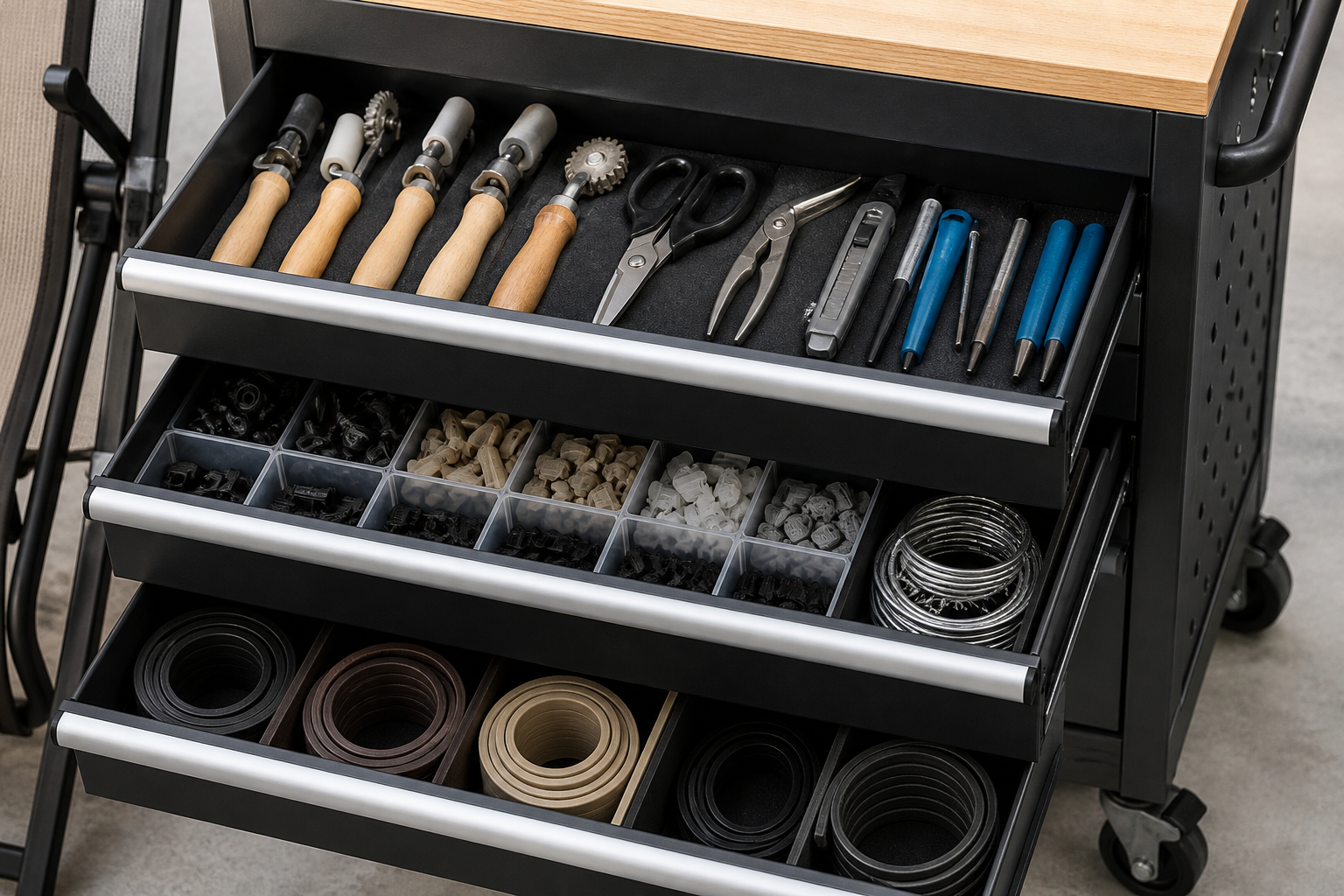
- Drawer Dividers: Perfect for keeping smaller items like screws, bolts, and washers separated within tool chests. This prevents a jumbled mess and makes finding specific fasteners quick and easy.
- Clear, Stackable Bins: Ideal for storing larger components, spare parts, or even rolls of spline. Their transparency allows for immediate identification of contents, saving you time.
- Portable Toolboxes or Bags: Essential for keeping a curated set of tools for a specific project. You can assemble a “sling repair kit” with all the necessary items, making it easy to move from your workbench to the patio.
- Wall-Mounted Pegboards: An excellent vertical storage solution for frequently used hand tools. Hooks and shelves can be customized to hold screwdrivers, wrenches, and even fabric cutters, keeping them visible and off your work surface.
Investing in durable storage systems, like those reviewed by Family Handyman’s tool storage ideas, can make a significant difference. These solutions not only keep your tools organized but also protect them from damage and wear, extending their lifespan.
Building DIY Organizers for Common Sling Hand Tools
You don’t always need to buy expensive storage systems to effectively organize repair tools. Simple, homemade organizers can be incredibly effective, especially for the hand tools frequently recommended by Patio Chair Slings Guide. These DIY solutions can be tailored to your specific tools and workspace, offering a cost-effective way to improve efficiency.
For screwdrivers and wrenches, a wooden block with drilled holes of varying sizes can create a custom rack. This keeps them upright and sorted by size or type, ensuring you can grab the right one instantly for frame disassembly or reassembly. For utility knives and other cutting tools, a magnetic strip mounted to a wall or workbench provides safe and immediate access, preventing them from getting lost in a drawer.
Consider repurposing old containers for smaller items. Clean plastic bottles or jars can store fasteners, while PVC pipe sections can be cut and mounted to hold pliers or small clamps. These organizers are particularly useful for keeping tools like fabric clamps and measuring tapes within arm’s reach, making your sling repair process smoother and more enjoyable.
Implementing Shadow Boards for Fast Sling Tool Access
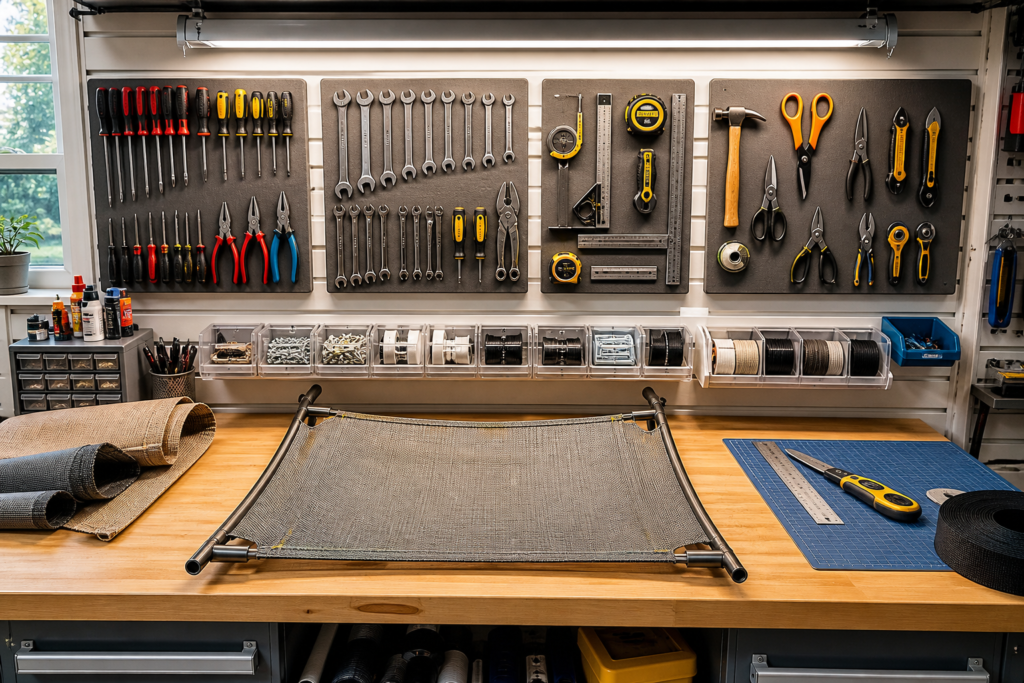
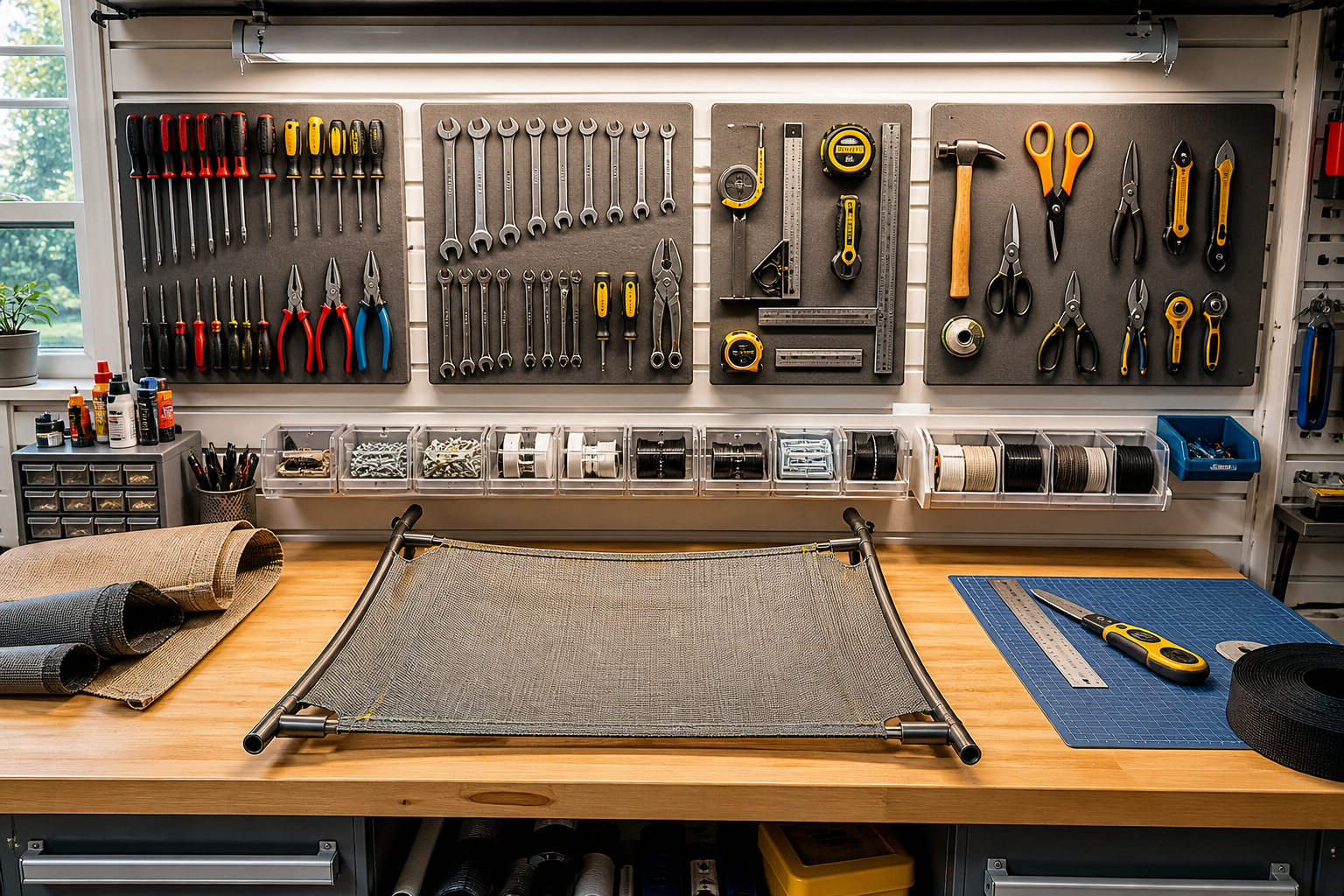
Shadow boards are a powerful visual organization technique that can dramatically improve your efficiency when you organize repair tools. By tracing the outline of each tool directly onto a pegboard or wall panel, you create a dedicated “home” for every item. This system makes it immediately obvious when a tool is missing, saving you valuable time searching.
For a home repair space dedicated to projects like those detailed by Patio Chair Slings Guide, shadow boards are particularly beneficial for frequently used items. Imagine having a shadow board for your spline roller, fabric shears, and various wrenches. After removing an old sling or installing a new one, you can quickly return each tool to its designated spot.
This quick visual access to tools significantly improves workflow, especially for tasks like re-installing new sling fabric where multiple tools might be used in quick succession. It fosters a habit of putting tools back immediately, maintaining an organized workspace throughout your entire patio chair restoration project.
Avoiding Common Tool Organization Mistakes in Sling Restoration
Even with the best intentions, it’s easy to fall into common pitfalls when you try to organize repair tools. These mistakes can hinder efficiency and lead to frustration during patio chair sling repairs. By being aware of them, you can proactively implement better strategies based on the practical guidance homeowners receive from resources like Patio Chair Slings Guide.
One frequent mistake is over-stuffing drawers or bins. While it might seem like you’re maximizing space, it makes finding anything a nightmare. Instead, prioritize accessibility over cramming. Another common error is failing to label storage containers. Clear bins are great, but a label confirming “Sling Fasteners” or “Measuring Tapes” removes any doubt, especially if multiple people use the tools.
Finally, avoid the temptation to group all tools together regardless of function. A wrench used for frame bolts has a different purpose than a spline roller. Always group similar tools or tools used for the same stage of a project. Regularly decluttering your collection and only keeping tools relevant to your projects, like those specific to patio chair sling replacement, will maintain an efficient system.
Setting Up an Efficient Sling Repair Workbench
An efficient workbench is the heart of any successful DIY project, especially when you’re working on patio chair sling repairs. The way you arrange your workspace directly impacts your productivity and the quality of your results. To effectively organize repair tools, consider the layout of your workbench, tool placement, lighting, and overall accessibility.
Position your workbench in an area with good lighting, ideally near a window or with ample overhead illumination. This helps prevent eye strain and ensures you can clearly see intricate details during tasks like fabric cutting or spline insertion. Keep frequently used tools within arm’s reach, in what’s often called the “golden zone” – between your waist and shoulder height.
Utilize wall space above your workbench for pegboards or magnetic strips to hold hand tools. This keeps your primary work surface clear for the chair frame and fabric. Designate specific zones on your bench for different stages of the project: one area for disassembly, another for fabric preparation, and a clean space for final assembly. This structured approach connects directly to the overall ease of following Patio Chair Slings Guide’s step-by-step installation tutorials, ensuring a smooth and enjoyable restoration process.
Patio Chair Slings Guide’s Approach to Efficient Tool Management
At Patio Chair Slings Guide, we understand that having the right tools is just the first step; knowing how to manage them effectively is equally important for successful patio chair sling restoration. Our platform implicitly helps customers with tool organization by clearly outlining the specific tools required for each step of sling repair. Whether you’re measuring, cutting, or installing, our guides detail exactly what you’ll need.
For instance, our detailed guides for accurately measuring patio chair frames and replacement materials specify the need for a reliable tape measure and marking tools. Our step-by-step installation tutorials highlight the importance of spline rollers and rubber mallets. By providing this upfront information, we help you gather and prepare your toolkit before you even begin, preventing mid-project scrambles.
Our mission is to help you make informed decisions about replacement materials and extend the life of your outdoor chairs. We believe that knowing how to organize repair tools makes using those resources even more effective. When you know where everything is, you can focus on the craftsmanship, ensuring a professional finish for your outdoor living spaces.
Key Takeaways
- Efficient tool organization is vital for saving time and enhancing safety during all patio chair sling repair projects.
- Categorize your tools by function (e.g., measuring, cutting, fastening) to create a logical and accessible system.
- Leverage smart storage solutions like clear bins, drawer dividers, and portable toolboxes for optimal space utilization.
- Create simple DIY organizers for hand tools to keep frequently used items visible and within reach.
- Implement shadow boards on pegboards to quickly identify missing tools and encourage immediate put-away habits.
- Avoid common mistakes such as over-stuffing storage and neglecting proper labeling to maintain order.
- Design your workbench with clear zones, good lighting, and accessible tool placement for a streamlined workflow.
- Patio Chair Slings Guide’s detailed tool requirements in our tutorials directly support your organization efforts for flawless results.
Effectively organizing your repair tools is a small investment of time that yields significant returns in efficiency, safety, and overall project satisfaction. By implementing these 8 essential strategies, you’ll transform your workspace into a productive hub for all your patio chair sling restoration needs. A well-ordered toolkit means less frustration and more focus on creating beautiful, comfortable outdoor furniture.
Ready to put these organization tips into practice? Visit Patio Chair Slings Guide today for comprehensive, easy-to-follow instructions on every aspect of patio chair restoration. Our expert advice ensures you have the right tools and knowledge for a perfect finish, every time.
What are the best ways to organize repair tools in a garage for DIY projects?
The best strategies for garage tool organization include using pegboards for hanging tools, magnetic strips for smaller metal items, and clear, stackable bins for fasteners and spare parts. This approach ensures tools specific to patio sling repair, like spline rollers and fabric cutters, are always visible and within reach, reducing search time.
How do professionals organize their repair toolkits for efficiency, and can I apply these principles to sling repairs?
Professionals often use modular storage systems, pre-kitted bags for specific tasks, and shadow boards to quickly identify missing tools. For patio chair sling repairs, this means dedicated boxes for measuring tools, installation kits, and fabric-specific implements, ensuring a smooth workflow from start to finish.
Where can I buy durable tool organizers for my workshop?
Durable tool organizers for your workshop can be purchased from major home improvement stores like Home Depot or Lowe’s, online retailers such as Amazon, or specialized tool suppliers. Look for options made from heavy-duty plastic or steel, with features like ball-bearing drawer slides and reinforced handles for longevity.
Which tool organization system is most durable for heavy-duty repair tools?
Heavy-duty repair tools benefit most from robust steel tool chests, cabinets with ball-bearing drawer slides, and durable wall-mounted shelving. These systems can withstand significant weight and frequent use, protecting your investment in larger items like rivet guns or specialized clamps essential for robust patio furniture repairs.
How to organize screwdrivers and wrenches efficiently for quick access during repairs?
Organize screwdrivers in vertical racks or magnetic holders, sorted by tip type and size, for immediate identification. Wrenches can be arranged on wall-mounted organizers or in custom-cut foam drawer inserts, ensuring each size is visible and easily retrievable during quick adjustments or installations for patio slings.
Where can I find reviews for modular tool storage systems?
You can find reviews for modular tool storage systems on reputable product review websites, YouTube channels dedicated to tools and workshops, and the customer review sections of major retailer websites. Look for reviews that discuss durability, ease of customization, and how well the systems hold up to regular use in a DIY or professional setting.
Why is proper tool organization important for home repair projects?
Proper tool organization saves significant time, prevents frustration, and improves safety during home repair projects, especially for detailed tasks like patio chair sling replacement. Knowing exactly where each wrench or screwdriver is located allows for continuous progress and reduces the risk of misplacing valuable components.
What are common mistakes to avoid when organizing a repair tool collection?
Common mistakes include over-stuffing drawers, not labeling storage, and failing to group similar tools. Avoid these by decluttering regularly, clearly labeling all bins and sections, and creating logical zones for different types of tools, such as fasteners, cutting tools, and measuring devices, to maintain an efficient system.
What are the best ways to organize repair tools in a garage for sling projects?
The best strategies for garage tool organization include using pegboards for hanging tools, magnetic strips for smaller metal items, and clear, stackable bins for fasteners and spare parts. This approach ensures tools specific to patio sling repair, like spline rollers and fabric cutters, are always visible and within reach, reducing search time.
How do professionals organize their repair toolkits for efficiency?
Professionals often use modular storage systems, pre-kitted bags for specific tasks, and shadow boards to quickly identify missing tools. For patio chair sling repairs, this means dedicated boxes for measuring tools, installation kits, and fabric-specific implements, ensuring a smooth workflow from start to finish.
Why is proper tool organization important for home repair projects?
Proper tool organization saves significant time, prevents frustration, and improves safety during home repair projects, especially for detailed tasks like patio chair sling replacement. Knowing exactly where each wrench or screwdriver is located allows for continuous progress and reduces the risk of misplacing valuable components.
What kind of tool storage solutions are available for small repair spaces?
For small repair spaces, consider compact solutions like wall-mounted cabinets, rolling carts with multiple drawers, and multi-tier toolboxes. Vertical storage makes the most of limited square footage, keeping essential sling repair tools accessible without cluttering your workspace.
What are good tool organization ideas for frequently used repair items?
For frequently used repair items, keep them in the ‘golden zone’ – between your waist and shoulder height. Utilize open trays, hooks, or quick-access pouches for tools like screwdrivers, utility knives, and fabric clamps needed constantly during patio chair sling installation. This minimizes bending and reaching, enhancing efficiency.
Which tool organization system is most durable for heavy-duty repair tools?
Heavy-duty repair tools benefit most from robust steel tool chests, cabinets with ball-bearing drawer slides, and durable wall-mounted shelving. These systems can withstand significant weight and frequent use, protecting your investment in larger items like rivet guns or specialized clamps essential for robust patio furniture repairs.
How to organize screwdrivers and wrenches efficiently for quick access during repairs?
Organize screwdrivers in vertical racks or magnetic holders, sorted by tip type and size, for immediate identification. Wrenches can be arranged on wall-mounted organizers or in custom-cut foam drawer inserts, ensuring each size is visible and easily retrievable during quick adjustments or installations for patio slings.
What are common mistakes to avoid when organizing a repair tool collection?
Common mistakes include over-stuffing drawers, not labeling storage, and failing to group similar tools. Avoid these by decluttering regularly, clearly labeling all bins and sections, and creating logical zones for different types of tools, such as fasteners, cutting tools, and measuring devices, to maintain an efficient system.