Patio Sling Longevity: 8 Proven Factors That Extend Your Chair’s Life
Patio Sling Longevity is a primary concern for any homeowner looking to maintain their outdoor living space. When your patio chair slings start to show wear, it can detract from the comfort and aesthetic of your entire outdoor area. Understanding the key influences on sling durability can empower you to make informed decisions, ensuring your outdoor chairs remain comfortable and stylish for years.
This guide from Patio Chair Slings Guide will explore 8 proven factors that significantly extend the life of your patio chair slings, helping you protect your investment and enjoy your outdoor furniture longer.
Key Takeaways
- Recognize that patio chair slings typically last 5 to 10 years, with proper care extending this lifespan significantly.
- Understand the critical role of material quality, construction, and environmental protection in determining sling durability.
- Implement consistent cleaning and maintenance routines to combat common deterioration factors like UV damage and mildew.
- Learn to identify the clear signs of wear that indicate it’s time for replacement, ensuring continued safety and comfort.
- Utilize resources from Patio Chair Slings Guide for expert advice on measuring, selecting, and installing new slings to maximize their life.
Understanding Patio Sling Lifespan: What to Expect
How long do patio chair slings typically last? The average expected longevity of a patio chair sling ranges from 5 to 10 years. However, this timeframe is not absolute; it can be significantly influenced by a multitude of factors, from the quality of the original material to the local climate and the frequency of use. For instance, slings in a sunny Coral Springs, FL backyard will face different challenges than those in a shaded, cooler environment.
High-quality fabrics and diligent maintenance can extend this lifespan well beyond a decade, offering superior value. Conversely, neglect or exposure to harsh conditions can drastically shorten it. At Patio Chair Slings Guide, we help you assess the current condition of your slings, providing practical insights into whether they are nearing the end of their expected life or if they still have years of comfort left to offer.
Understanding these general expectations allows you to plan for maintenance or replacement proactively. It also helps you appreciate the importance of selecting durable materials when undertaking a DIY restoration project, ensuring your efforts yield long-lasting results.
The Core Factors Influencing Outdoor Patio Sling Durability
The lifespan of outdoor patio slings is not determined by a single element, but rather by a combination of interconnected factors. These overarching influences dictate how well your slings will withstand the rigors of outdoor living. Recognizing these core factors is the first step toward extending the life of your patio furniture.
Material quality stands as a paramount factor. The type of fabric, its weave, and any protective coatings directly impact resistance to UV rays, moisture, and general wear. Beyond the fabric itself, the construction quality, including stitching and tensioning mechanisms, plays a vital role in preventing premature sagging or tearing. How you use and care for your chairs, along with the environmental conditions they face daily, also heavily influence their durability.
Understanding these elements is crucial for anyone looking to make informed decisions about their patio furniture.
Why Patio Furniture Slings Deteriorate: Common Causes
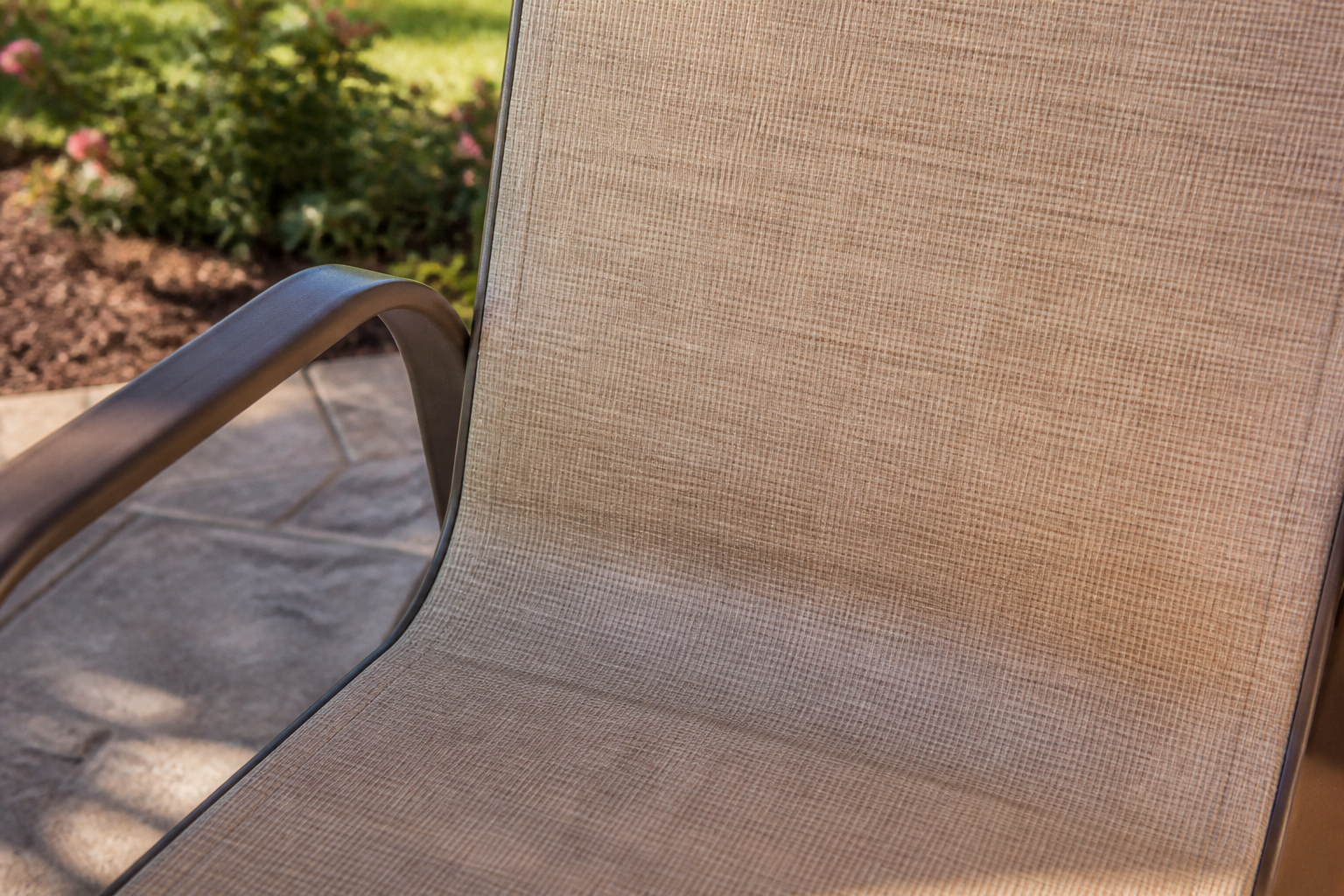
Patio furniture slings deteriorate over time primarily due to relentless exposure to outdoor elements. The most significant culprit is prolonged UV radiation from the sun. UV rays break down the polymer chains in fabric fibers, leading to fading, brittleness, and a significant loss of tensile strength. This process makes the fabric susceptible to tearing, even under normal use.
Beyond UV damage, moisture is another major factor. Constant dampness can lead to mold and mildew growth, which not only stains the fabric but can also degrade its fibers. In humid climates like Coral Springs, FL, this is a particularly prevalent issue. Abrasion from frequent use, rubbing against the frame, or even harsh cleaning chemicals can also weaken the fabric.
Patio Chair Slings Guide helps you identify these specific signs of deterioration, guiding you toward effective DIY repair or replacement strategies to address the root causes of wear.
Selecting Materials for Superior Patio Sling Longevity
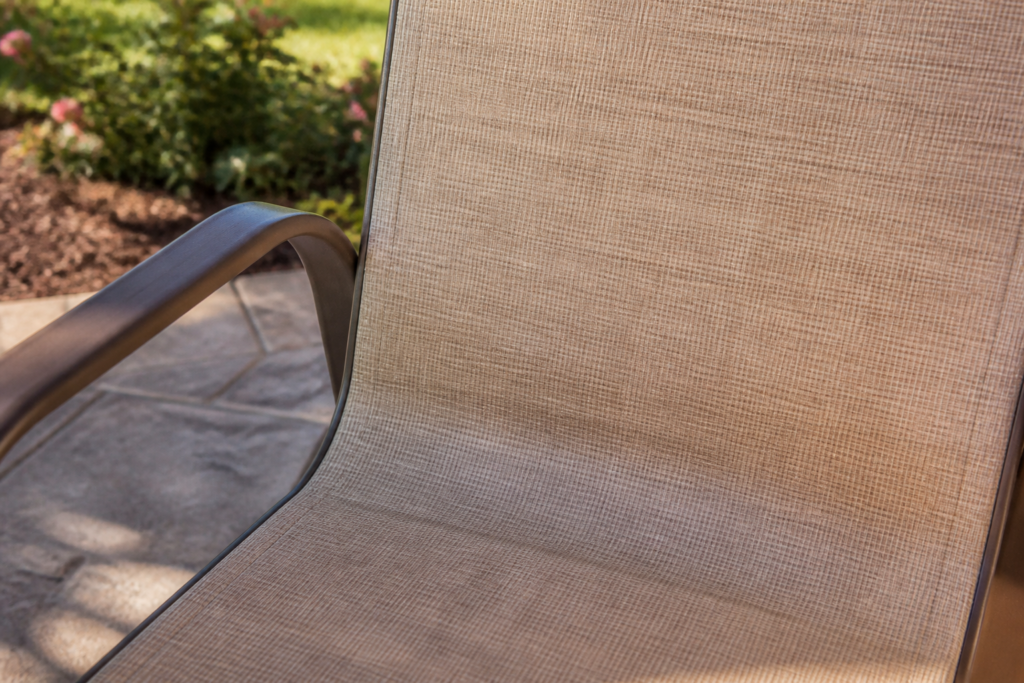
Choosing the right fabric is arguably the most impactful decision for ensuring superior Patio Sling Longevity. Not all outdoor fabrics are created equal, and understanding their properties is key to making a durable choice. The best materials offer robust resistance to UV degradation, moisture, and stretching.
For exceptional durability, PVC-coated polyester is a top contender. This material is widely used for its strength, resistance to fading, and ease of cleaning. Its vinyl coating provides a protective barrier against the elements. Marine-grade acrylics, often solution-dyed, also offer excellent UV resistance and colorfastness, making them a premium choice for enduring harsh sun.
When selecting materials, Patio Chair Slings Guide provides detailed advice on comparing various fabrics, textures, and colors based on factors like weather resistance, airflow, and overall strength, ensuring you pick the best option for your specific needs.
Combating Environmental Impact: Sun Exposure and Weather Protection
Does sun exposure significantly reduce patio sling longevity? Absolutely. The sun’s ultraviolet (UV) rays are the primary environmental factor responsible for the degradation of outdoor fabrics. Over time, UV radiation breaks down the chemical bonds in the fabric, leading to fading, loss of elasticity, and eventual tearing. This is especially true in sunny regions like Coral Springs, FL, where intense sunlight is a daily reality.
Beyond UV, other weather elements also play a role. Rain and humidity can foster mold and mildew, while temperature fluctuations cause materials to expand and contract, adding stress. To combat these impacts, consider using patio furniture covers during extended periods of non-use or during inclement weather. Positioning chairs in shaded areas, such as under an awning or umbrella, can also significantly reduce direct sun exposure and extend the life of your slings.
Regular cleaning helps prevent mildew from taking hold, preserving both appearance and structural integrity.
Essential Maintenance for Maximizing Patio Sling Durability
Proper cleaning and maintenance are non-negotiable for maximizing patio sling durability. A consistent care routine can prevent premature deterioration and keep your slings looking fresh. Start with regular cleaning to remove dirt, dust, and pollen, which can embed in the fabric and accelerate wear.
For most sling fabrics, a simple solution of mild soap and water is effective. Use a soft brush to gently scrub the surface, then rinse thoroughly with clean water. Avoid harsh chemical cleaners, as these can strip protective coatings or damage fabric fibers. For mold or mildew, a diluted bleach solution (check fabric manufacturer guidelines first) can be used, followed by a thorough rinse.
Patio Chair Slings Guide offers comprehensive guidance on general patio furniture maintenance, including specific cleaning techniques and preventative measures, to help you extend the life of your outdoor chairs and prevent common issues like sagging or staining.
Maximize Your Patio Sling Durability
Patio Chair Slings Guide empowers you with expert resources and detailed guides, so you can confidently measure, select, and install new slings to extend the life of your outdoor chairs.
When to Replace: Recognizing Signs and Making Informed Decisions
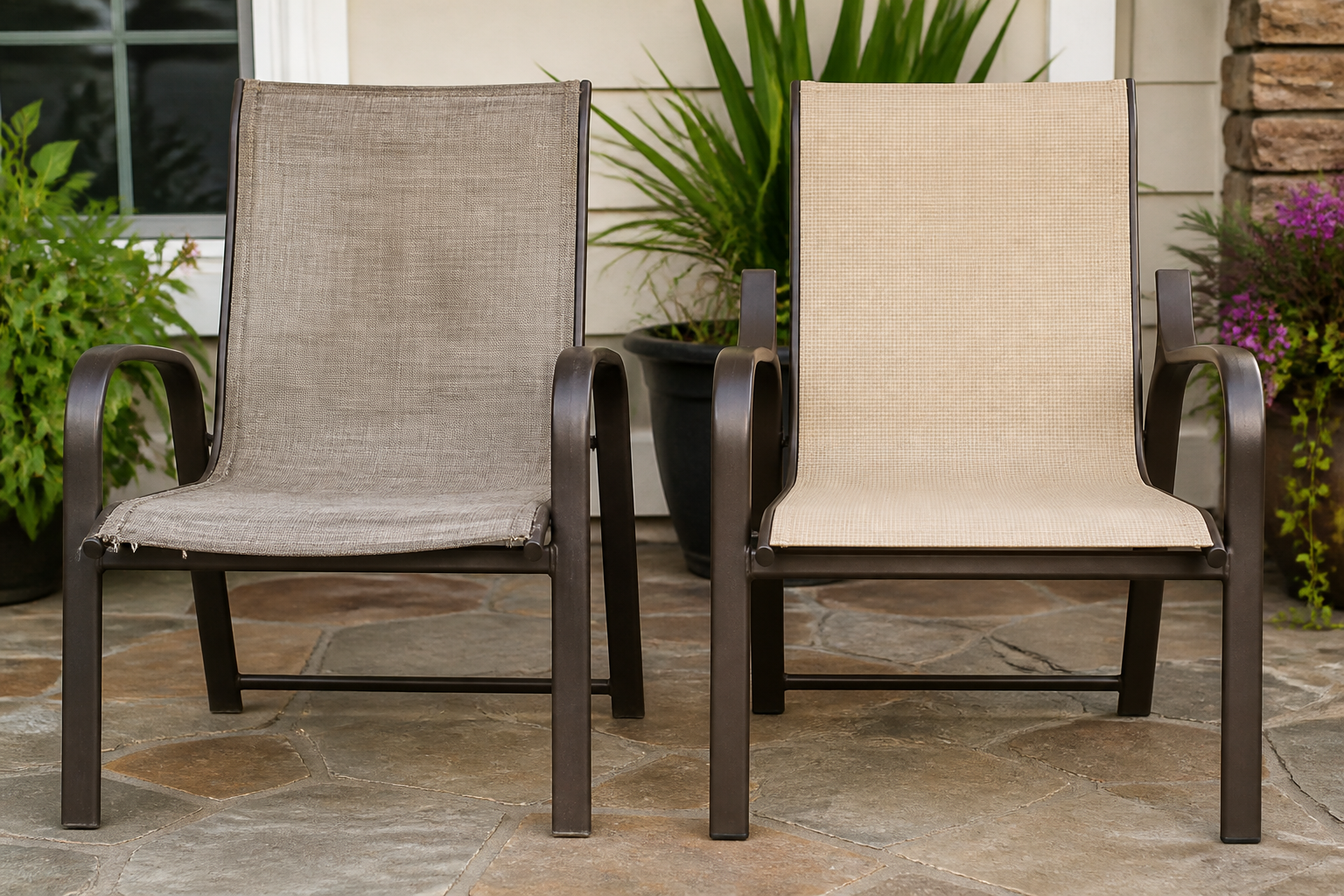
Knowing when to replace worn-out patio slings is crucial for maintaining both the aesthetic appeal and safety of your outdoor furniture. The common signs of a patio sling nearing the end of its life are usually quite visible. These include noticeable fading, where the original color has significantly dulled or changed, and sagging or stretching of the fabric, which indicates a loss of tension and support.
Other clear indicators are tears, holes, or fraying along the edges, especially where the sling connects to the frame. The fabric may also become stiff, brittle, or develop a chalky residue, signaling advanced UV degradation. When these signs appear, it’s time to consider replacement.
Patio Chair Slings Guide provides resources on understanding when a chair is worth restoring, helping you weigh the costs and benefits of DIY replacement versus purchasing new furniture, ensuring you make an informed decision that protects your investment.
Patio Chair Slings Guide: Your Partner in Extending Sling Life
At Patio Chair Slings Guide, we are dedicated to helping homeowners like you achieve maximum Patio Sling Longevity through confident DIY restoration. Our platform is a comprehensive resource designed to empower you with the knowledge and tools needed to revitalize your outdoor chairs. We offer detailed instructions on how to accurately measure patio chair frames, sling rails, and replacement materials, ensuring a perfect fit for your new slings.
Our guides extend to providing step-by-step tutorials for installing new slings, complete with troubleshooting tips for common issues like loose or sagging fabric. We also offer expert advice on selecting the most durable and suitable sling fabrics, comparing various materials, textures, and colors based on factors like weather resistance and airflow.
By empowering you to make informed decisions about replacement materials and providing solutions for various repair scenarios, Patio Chair Slings Guide assists in improving comfort, reducing waste, and refreshing the aesthetic of outdoor living spaces in Coral Springs, FL, and beyond.
Key Takeaways
- Patio Sling Longevity is significantly boosted by choosing high-quality, UV-resistant fabrics like PVC-coated polyester or marine-grade acrylics.
- Regular cleaning with mild soap and water, coupled with protective covers, effectively combats environmental damage and extends sling life.
- Identifying early signs of deterioration, such as fading or sagging, allows for timely replacement, preventing further damage and maintaining comfort.
- Patio Chair Slings Guide provides essential DIY resources, including measuring guides and installation tutorials, to help you confidently restore your chairs.
- By understanding these 8 proven factors, you can significantly extend the life of your patio slings, enhancing your outdoor living experience.
Achieving optimal Patio Sling Longevity is well within your reach with the right knowledge and tools. By focusing on quality materials, consistent maintenance, and timely replacement, you can ensure your outdoor chairs provide comfort and style for many seasons to come. Explore the expert guides and resources at Patio Chair Slings Guide to begin your confident DIY restoration journey today.
Common Questions About Patio Sling Longevity
How long do patio chair slings typically last?
Patio chair slings generally last between 5 to 10 years, though this can vary significantly based on material quality, environmental exposure, and how well they are maintained. High-quality fabrics and diligent care can push this lifespan to over a decade.
Why do patio furniture slings deteriorate over time?
Slings deteriorate primarily due to prolonged exposure to UV radiation, which breaks down fabric fibers, leading to fading, brittleness, and tearing. Other factors include harsh weather conditions, chemical cleaners, heavy use, and mold or mildew growth.
What are the common signs of a patio sling nearing the end of its life?
Key signs include noticeable fading, sagging or stretching of the fabric, tears or holes, fraying along the edges, and a general loss of tension. The sling may also become stiff, brittle, or develop a chalky residue.
Is it more cost-effective to repair or replace patio sling furniture?
Repairing smaller issues like minor tears or loose stitching can be cost-effective, especially for high-quality frames. However, if the fabric is extensively faded, brittle, or torn across a large area, replacing the sling completely is usually a more durable and aesthetically pleasing solution.
Where can I buy high-quality, long-lasting replacement slings?
You can find high-quality, long-lasting replacement slings from specialized online retailers, fabric suppliers focusing on outdoor materials, or businesses that provide custom sling services like those guided by Patio Chair Slings Guide resources. Ensure suppliers offer UV-resistant and durable fabrics.
What is the approximate cost for professional patio sling replacement?
Professional patio sling replacement costs can range from $75 to $200 per chair, depending on the chair’s design, fabric choice, and labor rates in your area. DIY replacement, guided by resources from Patio Chair Slings Guide, can significantly reduce these costs to just the material expense.
Which types of sling fabric are known for superior longevity and wear resistance?
For superior longevity and wear resistance, look for fabrics made from PVC-coated polyester or marine-grade acrylics. These materials are highly resistant to UV rays, mildew, and stretching, making them ideal for enduring outdoor conditions.