Protect Sling Investment: 9 Essential Strategies for Lasting Outdoor Comfort
Maintaining the beauty and functionality of your outdoor living space often comes down to the details, especially your patio furniture. To truly Protect Sling Investment, understanding proper care and proactive strategies is crucial for homeowners. Your patio sling chairs are more than just seating; they represent comfort, style, and a significant part of your outdoor enjoyment. Without the right approach, even the most durable fabrics can succumb to the elements, leading to fading, tearing, or sagging.
At Patio Chair Slings Guide, we provide you with the knowledge to extend the life of your outdoor furniture. This comprehensive guide outlines 9 essential strategies, offering practical advice and expert insights to ensure your slings remain attractive, comfortable, and structurally sound for many seasons. We believe that with the right information, you can confidently undertake DIY repair and replacement projects, preserving the look and comfort of your outdoor oasis.
Key Takeaways
- Understand the critical components of your patio sling chairs to identify vulnerabilities and apply targeted protection.
- Prioritize selecting high-quality, weather-resistant sling fabrics as the fundamental step in safeguarding your outdoor furniture.
- Implement consistent UV protection strategies to prevent sun damage and premature fading, especially in sunny climates like Coral Springs, FL.
- Establish a regular cleaning routine to combat dirt, mildew, and environmental pollutants that degrade fabric over time.
- Utilize smart storage solutions during off-seasons or severe weather to significantly extend the lifespan of your patio slings.
- Conduct routine inspections to catch minor wear and tear early, preventing small issues from escalating into costly repairs.
- Apply protective treatments and coatings to enhance your sling materials’ resistance against moisture and environmental stressors.
- Learn to differentiate between minor repairs and when a full sling replacement is the most cost-effective and beneficial decision.
- Adapt your care regimen for extreme environments, addressing specific challenges like high humidity or salt air to ensure lasting durability.
Understanding Your Patio Sling Investment: What Exactly Are We Protecting?
Your patio sling chairs are often a focal point of your outdoor living space, providing comfort and style. Understanding what constitutes your Patio Sling Investment goes beyond just the fabric itself. It encompasses the entire chair’s integrity, from the frame to the small components that hold the sling taut.
When you choose to restore rather than replace, you’re not only saving money but also contributing to reducing waste. Patio Chair Slings Guide offers homeowners comprehensive resources and practical guides specifically for restoring patio sling chairs, ensuring you know exactly what parts to focus on for lasting comfort.
The Anatomy of a Patio Sling Chair
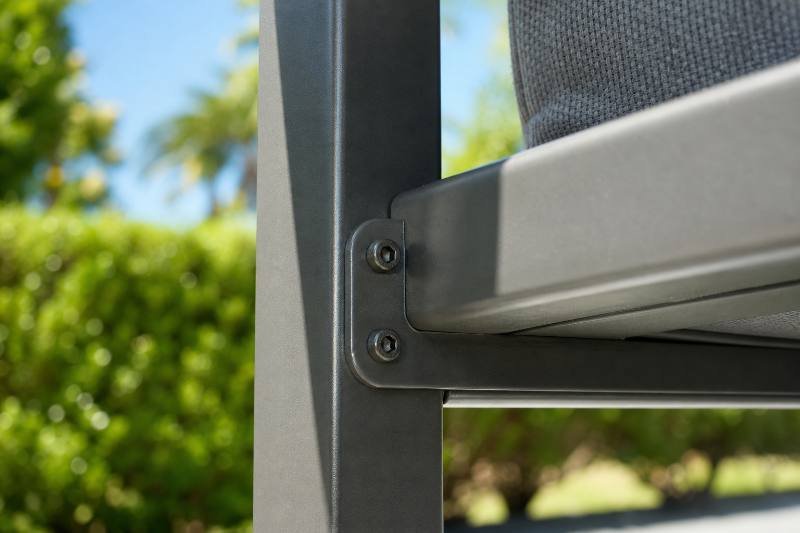
A typical patio sling chair consists of a sturdy frame, often aluminum, and the fabric sling stretched tightly within it. The sling itself is usually secured by plastic spline rods that fit into channels along the frame, creating the tension needed for a comfortable seat. These components, while seemingly simple, work in concert to provide support and aesthetic appeal.
Over time, exposure to sun, rain, and daily use can degrade these elements. The fabric can fade, stretch, or tear, while the spline can become brittle. Understanding these parts is the first step in effective maintenance and repair, allowing you to identify specific areas that need attention.
Why Your Sling Chairs are a Valuable Asset
Beyond their functional purpose, patio sling chairs represent a significant investment in your home’s outdoor aesthetic and comfort. High-quality outdoor furniture is designed for longevity, but its lifespan is directly tied to how well it’s maintained. Restoring a beloved chair often costs a fraction of buying a new one, especially when the frame is still in excellent condition.
Patio Chair Slings Guide helps users understand when a chair is worth restoring versus replacing. We outline the tools required and how to make informed decisions to protect their investment, ensuring your outdoor seating remains a valuable asset for years to come.
Choosing Durable Sling Fabrics: The Foundation of Lasting Protection
The longevity of your patio chairs begins with the fabric you select. Investing in high-quality sling materials is the most fundamental way to protect your outdoor comfort. Poor quality fabrics will quickly degrade, fade, and sag, requiring frequent replacements and diminishing your overall enjoyment.
Patio Chair Slings Guide offers expert advice on selecting the most durable and suitable sling fabrics. We compare materials based on weather resistance, UV protection, and airflow, ensuring you make an informed choice that stands up to the elements.
Key Characteristics of High-Quality Sling Materials
When selecting sling fabric, look for several key characteristics. Superior materials offer excellent tensile strength, meaning they can withstand significant pulling forces without tearing. They also possess good elasticity to prevent sagging over time, maintaining a firm and comfortable seat.
Additionally, high-quality fabrics are often treated with anti-microbial agents to resist mold and mildew growth, a common issue in humid environments like Coral Springs, FL. These features contribute significantly to the fabric’s overall durability and performance.
Fabrics Designed for Longevity and Weather Resistance
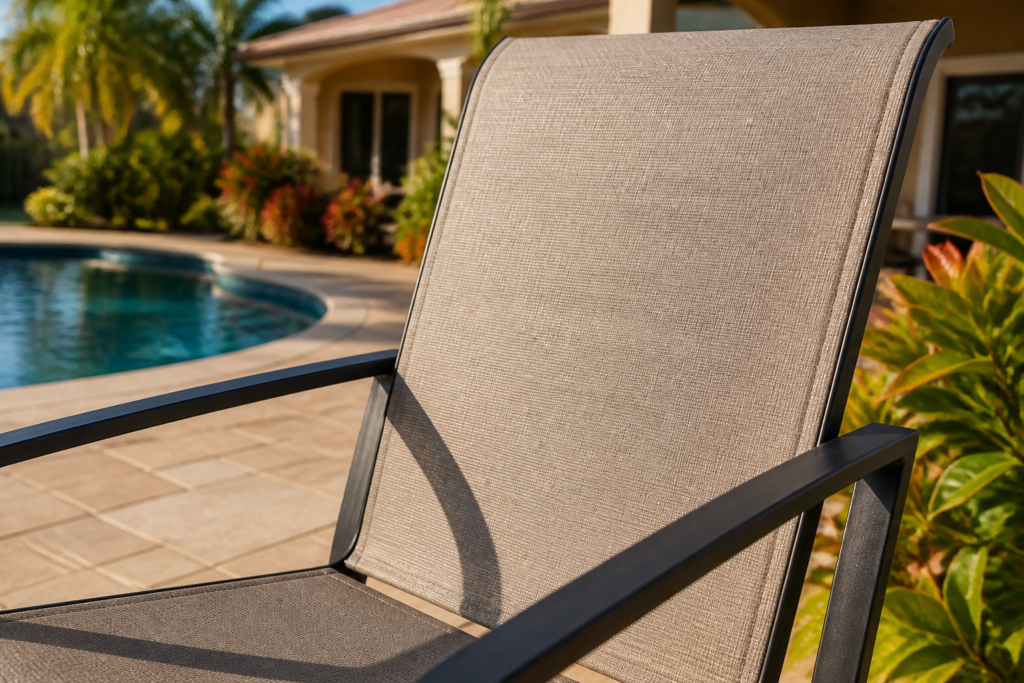
The market offers various fabrics engineered for outdoor use. Textilene, a PVC-coated polyester, is a popular choice known for its exceptional strength, UV resistance, and quick-drying properties. It resists fading and stretching, making it ideal for sunny and wet climates.
Another excellent option is woven acrylic, which offers a softer feel while still providing robust weather resistance. When choosing, consider the specific climate conditions your furniture will face. Our guides provide detailed instructions on how to accurately measure patio chair frames, sling rails, and replacement materials to ensure a perfect fit for your chosen fabric.
Mastering Patio Sling Care for Enduring Enjoyment
Patio Chair Slings Guide provides expert resources to help homeowners measure, select, and install new sling fabrics, ensuring your outdoor seating remains comfortable and beautiful for years. Empower yourself with our detailed guides.
Preventing UV Damage and Fading: Key for Outdoor Sling Longevity
Sunlight, while essential for outdoor enjoyment, is one of the most significant threats to your patio sling fabrics. Prolonged exposure to ultraviolet (UV) rays can cause colors to fade dramatically and the fabric fibers to weaken, leading to premature deterioration. Protecting your slings from UV damage is paramount for their longevity.
This is especially true in sunny regions, where daily sun exposure can quickly diminish the vibrancy and strength of even high-quality materials. Proactive measures are far more effective than trying to reverse sun-induced damage.
The Impact of Sun Exposure on Sling Fabrics
UV radiation breaks down the chemical bonds within fabric fibers, causing colors to bleach out and the material to become brittle. This process, known as photodegradation, can reduce the fabric’s tensile strength by up to 50% over several seasons, making it prone to tearing and sagging. Darker colors tend to absorb more UV radiation, sometimes fading faster than lighter shades.
Understanding this impact helps homeowners prioritize protection. Without adequate shielding, even the most durable fabrics like textilene will eventually show signs of sun damage, impacting both appearance and structural integrity.
Strategies to Shield Your Slings from Harmful UV Rays
Several strategies can significantly reduce UV damage. One effective method is to position your patio furniture under shaded areas, such as pergolas, umbrellas, or awnings. These structures provide a physical barrier against direct sunlight during peak hours.
Another practical solution is to use furniture covers when the chairs are not in use for extended periods. These covers, often made from UV-resistant materials, offer a protective layer. For slings that are constantly exposed, consider applying a UV-protective spray, which can add an extra layer of defense against the sun’s harsh rays.
Effective Cleaning and Maintenance for Your Patio Slings
Regular cleaning is not just about aesthetics; it’s a vital component of preserving the structural integrity and lifespan of your patio chair slings. Dirt, pollen, bird droppings, and environmental pollutants can accumulate on the fabric, creating a breeding ground for mold and mildew. These organic growths not only stain the fabric but can also degrade its fibers over time.
A consistent maintenance routine prevents these issues from taking hold, ensuring your slings remain hygienic, comfortable, and visually appealing. Neglecting cleaning can lead to irreversible damage and a significantly shorter lifespan for your outdoor seating.
Regular Cleaning Routines for Different Fabric Types
Most patio sling fabrics, such as PVC-coated polyester (textilene) or acrylic, benefit from a simple routine. For light cleaning, a quick spray with a garden hose to remove loose dirt and pollen once a week is usually sufficient. For a deeper clean, mix a mild soap (like dish soap) with warm water.
Use a soft brush or sponge to gently scrub the fabric, paying attention to any soiled areas. Rinse thoroughly with clean water to remove all soap residue, as leftover soap can attract more dirt. Allow the slings to air dry completely in a shaded area to prevent water spots and mildew.
Dealing with Stubborn Stains and Mildew
Stubborn stains, such as those from food, grease, or tree sap, may require a more targeted approach. For most fabrics, a solution of one part bleach to four parts water can be effective against mildew and tough stains. Always test this solution on an inconspicuous area first to ensure it doesn’t cause discoloration.
Apply the solution, let it sit for 15-20 minutes, then scrub gently and rinse thoroughly. For oil-based stains, a degreasing agent designed for outdoor fabrics might be necessary. Prompt action is key; the sooner you address a stain, the easier it is to remove. Patio Chair Slings Guide offers detailed articles on cleaning specific types of stains and maintaining various fabric types.
Smart Storage Solutions to Extend Patio Sling Lifespan
The way you store your patio furniture, especially during periods of non-use, plays a significant role in extending the life of your slings. Leaving chairs exposed to harsh winter conditions, prolonged rain, or intense summer sun when not in use can accelerate wear and tear. Smart storage protects your investment from environmental damage and reduces the need for frequent repairs or replacements.
This proactive approach ensures your slings remain in excellent condition, ready for enjoyment whenever you need them. Even in a mild climate like Coral Springs, FL, protecting furniture during heavy rain or strong winds is beneficial.
Off-Season Storage Best Practices
For regions with distinct off-seasons, proper storage is critical. Before storing, thoroughly clean and dry all slings to prevent mold and mildew growth. If possible, remove the slings from the frames, fold them neatly, and store them in a dry, climate-controlled environment, such as a garage, shed, or basement.
If removing slings isn’t feasible, stack chairs and cover them with high-quality, breathable outdoor furniture covers. These covers should be waterproof but also allow for air circulation to prevent moisture buildup. Elevating furniture slightly off the ground can also prevent moisture wicking and pest damage.
Protecting Slings During Inclement Weather
Even during peak outdoor seasons, sudden changes in weather can pose a threat. Heavy rain, strong winds, or hail can damage exposed slings. Consider investing in quick-deploy covers that you can easily place over your chairs when bad weather is forecast.
For lighter chairs, moving them under a covered patio or into a garage can provide immediate protection. If you live in an area prone to severe storms, securing your furniture to prevent it from blowing away is also important, as impact damage can tear slings. Taking these small steps can prevent significant damage and preserve your slings for longer.
Inspecting Your Patio Slings: Spotting Damage Before It Worsens
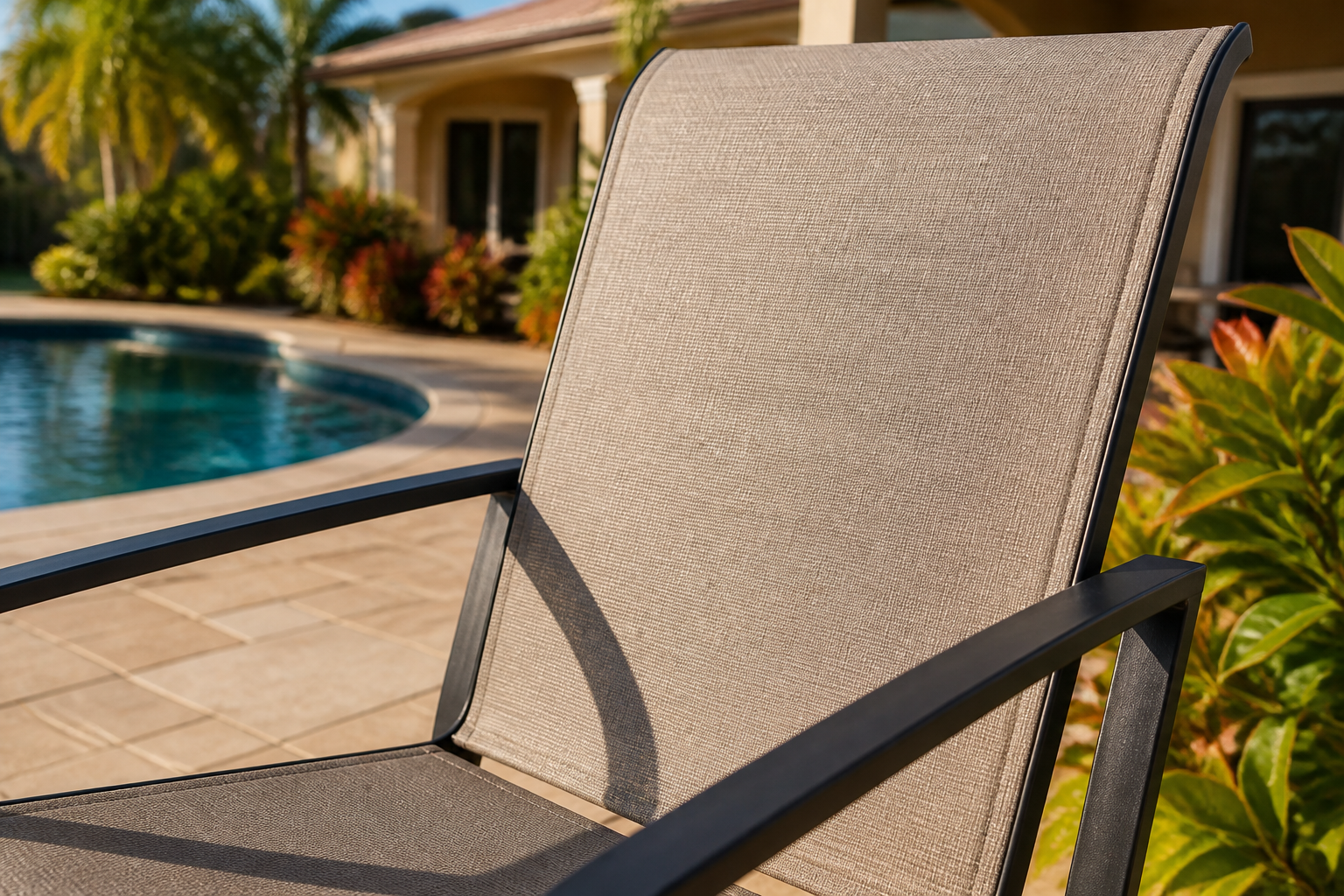
Regular inspection is a simple yet highly effective strategy to protect your patio sling investment. By routinely examining your slings, you can identify minor issues like small tears, loose stitching, or early signs of fading before they escalate into major problems requiring costly repairs or full replacements. This proactive approach allows for timely intervention, preserving both the appearance and structural integrity of your chairs.
A quick visual and tactile check can save you significant time and money in the long run. Patio Chair Slings Guide provides step-by-step tutorials for installing new slings and troubleshooting common issues like loose or sagging fabric, which often begin with minor wear.
What to Look For During Routine Checks
When inspecting your patio slings, pay close attention to several key areas. Look for any signs of fraying along the edges, especially where the fabric meets the frame or where it’s under tension. Check for small tears or punctures, which can quickly expand if not addressed.
Examine the stitching for any loose threads or unraveling, as this can compromise the sling’s overall strength. Also, feel the fabric for any unusual stiffness, brittleness, or excessive stretching, which can indicate UV damage or material fatigue. Don’t forget to check the spline rods that hold the fabric in place; ensure they are still securely seated in their channels.
Common Causes of Sling Wear and Tear
Several factors contribute to the wear and tear of patio slings. Constant exposure to direct sunlight is a primary culprit, leading to fading and weakening of fibers. Friction from sitting, shifting, or even wind can cause abrasion, particularly along seams and edges.
Environmental factors like dirt, sand, and pollutants can act as abrasives, grinding away at the fabric. Additionally, improper cleaning methods, such as using harsh chemicals or abrasive brushes, can damage the material. Understanding these common causes helps you implement preventative measures and focus your inspections on vulnerable areas.
Protective Treatments and Coatings for Patio Sling Materials
Beyond cleaning and storage, applying specialized treatments and coatings can significantly enhance the durability and resilience of your patio sling fabrics. These products create an additional barrier against environmental aggressors, providing an extra layer of protection for your investment. They can help repel water, resist stains, and even offer some UV protection, prolonging the fabric’s life and maintaining its appearance.
While not a substitute for proper care, these treatments can be a valuable addition to your maintenance routine, especially for slings exposed to harsh conditions.
Applying Fabric Protectors and Water Repellents
Fabric protectors, often in spray form, create an invisible shield that repels water, oil, and other liquids, preventing them from soaking into the fabric fibers. This makes cleaning spills much easier and reduces the likelihood of staining and mildew growth. Many products also contain UV inhibitors, offering a degree of sun protection.
Before applying, ensure the sling is thoroughly clean and dry. Spray the product evenly, following the manufacturer’s instructions for coverage and drying time. Reapplication is typically recommended every 6-12 months, depending on exposure and product type, to maintain optimal effectiveness.
Enhancing Durability Against Environmental Factors
Certain coatings are specifically designed to enhance a fabric’s resistance to a broader range of environmental factors. For instance, some treatments can improve a sling’s resistance to salt air corrosion, which is particularly beneficial for homeowners in coastal areas like parts of Florida. Others may offer enhanced anti-microbial properties, further inhibiting mold and mildew.
When considering these treatments, research products specifically formulated for outdoor textiles and compatible with your sling’s material. A good resource for understanding fabric care and protective treatments is the Textile World Magazine, which often covers advancements in fabric technology and care. Always prioritize products that are safe for your specific fabric type and environment.
Repair vs. Replace: Making Smart Investment Decisions for Damaged Patio Slings
One of the most critical decisions homeowners face when their patio slings show wear is whether to repair the existing fabric or opt for a full replacement. Making the right choice can significantly impact your budget and the longevity of your outdoor furniture. This decision is central to how you Protect Sling Investment effectively.
Patio Chair Slings Guide helps users understand when a chair is worth restoring versus replacing, outlining the tools required and how to make informed decisions to protect their investment. We provide detailed instructions on how to accurately measure for both scenarios.
When to Repair Your Existing Sling
Minor damage often warrants a repair. Small tears (less than 1-2 inches), loose stitching, or localized fraying can frequently be fixed with specialized fabric repair kits or heavy-duty outdoor thread. These DIY repairs are cost-effective and can extend the life of your sling by several months or even a season.
If the fabric is still attractive, structurally sound overall, and the damage is isolated, a repair is a sensible option. Our platform specializes in helping users confidently undertake DIY repair projects for their outdoor furniture, offering guides on patching techniques and re-stitching.
When to Consider a Full Sling Replacement (and where Patio Chair Slings Guide can help!)
A full sling replacement becomes the better option when damage is extensive. This includes large tears, widespread fading, significant sagging that impacts comfort, or fabric that has become brittle and weak across a broad area. If the spline rods are damaged or the fabric is no longer providing adequate support, a replacement is usually necessary for safety and comfort.
Patio Chair Slings Guide is your go-to resource for this. We provide detailed instructions on how to accurately measure patio chair frames and sling rails for new replacement materials. Our guides offer expert advice on selecting the most durable and suitable sling fabrics and provide step-by-step tutorials for installing new slings, ensuring a perfect fit and renewed comfort for your outdoor space.

Protecting Patio Slings in Extreme Environments: Special Considerations
While general care guidelines apply to most outdoor furniture, certain extreme environments demand specialized attention to truly protect your patio slings. Areas with high humidity, salt air, intense sun, or frequent heavy rainfall present unique challenges that can accelerate fabric degradation. Adapting your care routine to these specific conditions is essential for maximizing the lifespan and appearance of your slings.
Ignoring these environmental factors can lead to rapid deterioration, even with regular maintenance. Proactive adjustments ensure your investment withstands the harshest elements.
High Humidity, Salt Air, and Other Challenges
In high-humidity climates, such as Coral Springs, FL, mold and mildew are persistent threats. Fabrics remain damp for longer, creating ideal conditions for fungal growth. Salt air, prevalent in coastal regions, can be corrosive to both fabric fibers and metal frames, leading to premature breakdown and rust.
Intense, year-round sun exposure, without proper shading, will cause rapid fading and embrittlement. Furthermore, areas with frequent heavy rainfall can lead to constant moisture saturation, which can weaken fibers and promote mildew if not properly dried.
Adapting Your Care Routine for Harsh Conditions
For high humidity, focus on ensuring slings dry completely after any moisture exposure. Consider using a dehumidifier in enclosed storage areas. Regular cleaning with anti-mildew solutions is crucial. For salt air, frequent rinsing with fresh water helps remove corrosive salt residue from both fabric and frame.
In areas with intense sun, prioritize UV-resistant fabrics and consistent use of covers or shade structures. For heavy rainfall, ensure slings are quick-drying and consider tilting chairs to allow water to drain quickly. Patio Chair Slings Guide offers specific recommendations for fabric choices that excel in these challenging conditions, helping you select materials engineered for resilience.
Frequently Asked Questions About Protecting Your Sling Investment
What are the best materials for durable patio chair slings?
For maximum durability and weather resistance, consider materials like PVC-coated polyester or textilene. These fabrics are engineered to withstand UV rays, moisture, and general wear, offering superior longevity and comfort for your outdoor seating. Patio Chair Slings Guide provides comparisons of various material types to help you choose.
How often should I clean my patio chair slings?
Regular cleaning is essential to extend the life of your patio chair slings. Aim for a thorough cleaning every 2-3 months during peak outdoor seasons, and a lighter wipe-down as needed. This prevents dirt, mildew, and pollutants from degrading the fabric over time.
Can I repair a torn patio chair sling myself?
Minor tears or fraying can often be repaired using specialized fabric repair kits or heavy-duty outdoor thread. However, for significant damage, a full sling replacement is usually recommended to ensure structural integrity and comfort. Our guides offer DIY repair solutions.
What causes patio chair slings to sag or stretch?
Sagging and stretching typically occur due to prolonged exposure to heavy loads, direct sunlight, and age. Over time, the fabric fibers can lose their elasticity, leading to a loose or uncomfortable sitting surface. Proper selection of tension-retaining fabrics can help prevent this.
How do I prevent mold and mildew on outdoor slings?
To prevent mold and mildew, ensure your slings dry completely after rain or cleaning. Store furniture in a dry, covered area during extended periods of non-use. Regular cleaning with a mild bleach solution or commercial outdoor fabric cleaner can also effectively inhibit growth.
Where can I find instructions for replacing patio chair slings?
Patio Chair Slings Guide offers comprehensive, step-by-step tutorials on its website for replacing patio chair slings. These guides detail everything from accurate measuring techniques to selecting the right fabric and completing the installation process successfully.
Is it better to repair or replace a worn-out patio chair sling?
The decision to repair or replace depends on the extent of the damage and the overall condition of the chair frame. Small cosmetic issues might be repairable, but significant tears, extensive sagging, or severe fading usually warrant a full replacement for safety and aesthetic reasons.
How can Patio Chair Slings Guide help me maintain my outdoor furniture?
Patio Chair Slings Guide empowers homeowners with the knowledge and tools needed for effective patio furniture maintenance. We provide detailed articles on cleaning, protection, and replacement, helping you preserve your investment and enjoy your outdoor living spaces longer.
Effectively protecting your patio sling investment ensures that your outdoor living spaces remain comfortable, beautiful, and inviting for many years. By implementing these 9 essential strategies, from choosing durable fabrics to smart storage and timely repairs, you can significantly extend the life of your patio furniture. Patio Chair Slings Guide is dedicated to providing you with the comprehensive resources and practical guides needed to confidently maintain and restore your outdoor seating.
Visit our website today to explore our detailed guides and empower yourself with the knowledge to keep your patio chairs looking their best.