
Patio Frame Check is a crucial step before you consider replacing your patio chair slings. Many homeowners overlook the condition of the frame itself, assuming a new sling will solve all problems, but a thorough assessment ensures safety, extends furniture life, and guarantees your restoration efforts are worthwhile.
At Patio Chair Slings Guide, we empower you to confidently undertake DIY repair and replacement projects by first understanding the foundation of your outdoor seating. This article details 5 expert inspections to perform, ensuring your frame is ready for its new lease on life.
Key Takeaways
- Prioritize a complete frame inspection to confirm structural integrity before investing in new slings.
- Learn to identify common damage signs like cracks, bends, and loose fasteners that compromise safety.
- Focus your inspection on critical load-bearing components, including welded joints and leg attachments.
- Understand how to effectively identify, assess, and address corrosion to prevent further deterioration.
- Recognize the specific vulnerabilities of different frame materials, such as aluminum, steel, and wrought iron, to tailor your inspection.
Patio Frame Check: 5 Expert Inspections Before Sling Replacement
Why is a thorough patio frame check essential before sling replacement?
A thorough frame inspection is essential because the frame is the foundation of your outdoor furniture’s safety and longevity. Replacing slings on a compromised frame is like putting new tires on a car with a bent axle; it won’t perform safely or last as long as it should.
Our comprehensive resources at Patio Chair Slings Guide emphasize this critical first step. We help you understand when a chair is truly worth restoring, ensuring your investment in new sling fabrics and your time spent on installation are well-placed. A robust frame means a safe chair and a successful DIY project.
Ensuring Safety and Stability
The primary reason for a detailed inspection is safety. Over time, outdoor furniture frames can develop hidden weaknesses from stress, weather exposure, or general wear and tear. These issues, if left unaddressed, can lead to sudden collapses or injuries once new slings are installed and the chair is put back into use.
A careful frame assessment helps identify any structural compromises, such as hairline cracks or weakened joints, before they become dangerous. This proactive approach protects you, your family, and your guests from potential harm.
Maximizing Your Restoration Investment
Replacing patio chair slings is an investment in both time and materials. You want to ensure that this effort contributes to a piece of furniture that will serve you for many more years. A worn or damaged frame will quickly undermine the durability and appearance of even the highest quality new slings.
Patio Chair Slings Guide provides detailed instructions on accurately measuring patio chair frames and replacement materials. This guidance is most effective when applied to a frame that is structurally sound, ensuring a perfect fit and maximizing the lifespan of your revitalized chair.
Extending the Life of Your Outdoor Furniture
Outdoor furniture, especially in climates like Coral Springs, FL, faces constant exposure to sun, humidity, and occasional storms. These elements can take a toll on frame materials, leading to corrosion, fatigue, or loosening of components. A comprehensive frame check allows you to catch these issues early.
By addressing minor repairs like tightening bolts or treating surface rust, you can prevent small problems from escalating into major structural failures. This preventative maintenance significantly extends the useful life of your patio chairs, reducing waste and refreshing the aesthetic of your outdoor living spaces.

What common signs of damage should you look for during your patio frame check?
During your frame assessment, you should look for several common signs of damage that indicate structural weakness or material degradation. These include visible cracks, bends, warping, loose fasteners, and unevenness, all of which can compromise the chair’s integrity and safety.
Our guides at Patio Chair Slings Guide help you identify these issues, providing step-by-step tutorials for assessing your frame’s condition. Knowing what to look for is the first step in determining if your chair is a viable candidate for a sling replacement or if it requires more extensive repairs.
Visible Cracks or Fractures
Cracks are perhaps the most critical sign of damage, especially in aluminum or plastic frames. These can appear as hairline fissures near welded joints, stress points, or areas where the frame has been bent. Even small cracks can propagate rapidly under weight and stress, leading to catastrophic failure.
Inspect all joints, corners, and areas where tubes connect for any signs of cracking. Pay particular attention to the underside of the frame, which often bears the most stress and is less frequently cleaned or inspected.
Bends, Dents, or Warping
Any noticeable bends, dents, or warping in the frame tubing indicate that the material has been subjected to excessive force or stress. This can happen from impacts, heavy loads, or even prolonged exposure to extreme temperatures.
A bent frame compromises the chair’s geometry, making it unstable and potentially causing new slings to fit incorrectly or wear unevenly. Use a level or a straight edge to check for straightness, especially on legs and crossbars.
Loose or Missing Fasteners
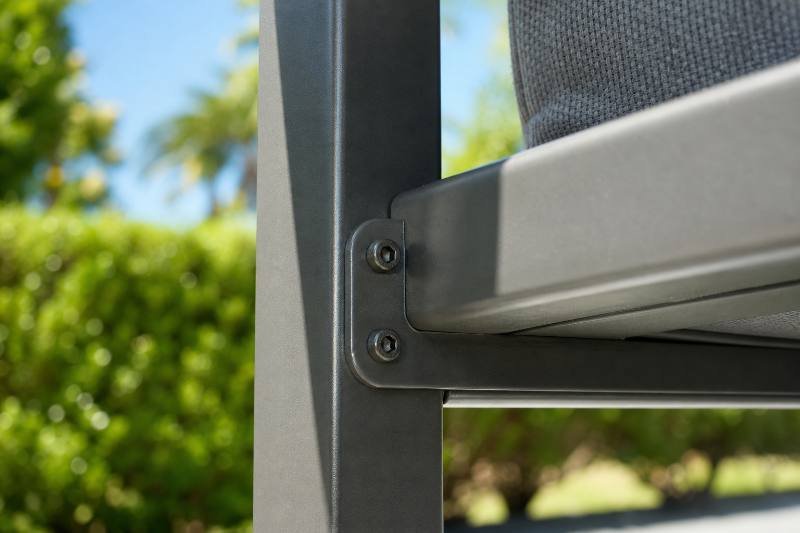
Many patio chair frames are assembled with bolts, screws, or rivets. Over time, these fasteners can loosen due to vibrations, temperature changes, or regular use. Loose fasteners lead to wobbling, instability, and increased stress on other parts of the frame.
Check every bolt, screw, and rivet. Tighten any loose bolts with appropriate tools, and replace any missing or severely rusted fasteners. Patio Chair Slings Guide emphasizes the importance of having the right tools for repairs, ensuring every component is secure.
Unevenness or Wobbling
A chair that wobbles when placed on a flat surface is a clear indicator of a frame issue. This unevenness can stem from bent legs, loose joints, or even manufacturing defects that have worsened over time. A wobbly chair is not only uncomfortable but also unsafe.
Test each chair on a level surface. Apply pressure to different corners to identify which leg or joint is causing the instability. Addressing wobbling early can prevent further damage to the frame and ensure a stable foundation for your new slings.
Which structural components need prioritization?
When performing a frame inspection, you need to prioritize critical load-bearing areas and stress points. These include all welded joints, leg attachments, the sling rail channels, and any pivot points or moving parts, as these are most susceptible to failure.
Patio Chair Slings Guide helps homeowners understand the anatomy of their patio chairs, guiding them to focus their inspection where it matters most. Accurately assessing these components ensures the structural integrity necessary for a durable and safe restoration.
Welded Joints and Connections
Welded joints are often the weakest points in metal frames. They are subjected to significant stress and can be prone to fatigue cracking, especially in aluminum. Inspect every weld for cracks, discoloration, or signs of separation. Even a small crack in a weld can quickly expand under load.
For frames with bolted connections, ensure all bolts are present, tight, and free from excessive rust or corrosion that could weaken them. Pay close attention to the connections between the main frame and the armrests, as these often experience lateral stress.
Legs and Leg Attachments
The legs bear the entire weight of the user and the chair itself, making their integrity paramount. Check each leg for straightness, bends, or dents. Inspect where the legs attach to the main frame, looking for any signs of stress, cracks, or loose connections.
Ensure that any plastic or rubber feet caps are intact. Missing caps can lead to direct metal-to-ground contact, accelerating corrosion and causing instability. Replacing these inexpensive components can significantly extend the life of your chair.
Sling Rail Channels
For sling chairs, the sling rail channels are crucial. These are the grooves or tracks into which the new fabric slings will be inserted. Inspect these channels for any bends, crimps, or blockages that could prevent the smooth installation of new slings.
Any deformation in these channels will make sling replacement difficult, if not impossible, and could lead to premature wear of the new fabric. Patio Chair Slings Guide specializes in educating homeowners on accurately measuring sling rails to ensure a perfect fit, which relies on undamaged channels.
Pivot Points and Moving Parts
If your patio chair has any moving parts, such as those found in swivel chairs, recliners, or gliders, these pivot points require extra attention. Inspect bearings, springs, and hinges for wear, rust, or stiffness. Lubricate moving parts as needed to ensure smooth operation.
Worn pivot points can lead to excessive play, noise, and eventual failure. Addressing these components during your frame check ensures the full functionality and comfort of your restored chair.

How to identify and address corrosion?
Identifying and addressing corrosion is a vital part of your inspection process, as rust and oxidation can severely compromise structural integrity. Look for visible rust, pitting, flaking paint, or white powdery residue, and address these issues promptly to prevent further damage.
Understanding corrosion is especially important in humid environments like Coral Springs, FL. Patio Chair Slings Guide helps you select durable and suitable sling fabrics, but the frame’s resistance to corrosion is equally critical for the overall longevity of your outdoor furniture.
Identifying Different Types of Corrosion
Corrosion manifests differently depending on the metal. For steel or wrought iron frames, look for reddish-brown rust, which can appear as surface discoloration, flaking, or deep pitting. Pitting is particularly concerning as it indicates significant material loss.
Aluminum frames, while rust-resistant, can suffer from oxidation, appearing as a white, powdery residue. This is less structurally damaging than rust but can still weaken joints and degrade the finish. Understanding corrosion basics is key to effective treatment.
Assessing the Severity of Corrosion
Once identified, assess how severe the corrosion is. Surface rust that can be easily scrubbed off is generally manageable. However, if the rust has deeply pitted the metal, caused significant material loss, or appears at critical stress points like welds, the frame’s structural integrity may be compromised.
For aluminum, a light white powder can usually be cleaned off. If the aluminum feels brittle, soft, or has visible cracks associated with the oxidation, it might be beyond simple repair.
Addressing Surface Corrosion
For surface rust on steel or wrought iron, use a wire brush or sandpaper to remove all loose rust. Clean the area thoroughly, then apply a rust-inhibiting primer followed by a suitable outdoor metal paint. This creates a protective barrier against future moisture.
For aluminum oxidation, gently scrub the white residue with a non-abrasive cleaner and a soft brush. Rinse thoroughly and consider applying a clear coat or wax designed for outdoor aluminum to protect the surface.
When to Seek Professional Help or Consider Replacement
If corrosion is widespread, has deeply pitted load-bearing components, or has caused significant material loss, it might be time to consider professional repair or even replacement. Attempting to repair severely corroded structural elements yourself can be unsafe and may not yield lasting results.
Patio Chair Slings Guide helps users understand when a chair is worth restoring. If the frame’s integrity is too compromised by corrosion, even the best DIY efforts might not be enough to ensure safety and durability.
Ready to Revitalize Your Outdoor Seating?
Patio Chair Slings Guide provides all the expert resources you need for confident DIY patio sling chair restoration. Discover detailed guides, measuring tips, and material selection advice to ensure a perfect project.
What materials are most prone to issues?
Different patio chair frame materials have unique vulnerabilities that necessitate a tailored and careful assessment. Aluminum, steel, and wrought iron are common materials, each with specific susceptibilities to corrosion, fatigue, or structural damage that homeowners should be aware of.
Patio Chair Slings Guide offers advice on selecting durable and suitable sling fabrics, but understanding your frame’s material is equally important for long-term maintenance. Knowing the material helps you anticipate potential problems and perform more effective inspections.
Aluminum Frames: Fatigue and Cracks
Aluminum is popular for its lightweight and rust-resistant properties. However, it is susceptible to metal fatigue, especially at welded joints and stress points. Over years of use, repeated stress can cause microscopic cracks that gradually grow larger.
During your inspection, pay close attention to welds, bends, and areas where the frame connects to the sling rails. Look for hairline cracks, particularly if the chair has been heavily used or exposed to strong winds. While aluminum doesn’t rust, it can oxidize, appearing as a white powder, which is less severe but still indicates a need for cleaning and protection.
Steel Frames: Rust and Joint Weakness
Steel frames are generally strong and durable but are highly prone to rust and corrosion, especially if the protective paint or powder coating is chipped or scratched. Rust can quickly spread and weaken the metal, leading to structural failure.
Inspect steel frames meticulously for any signs of rust, particularly at joints, under caps, and where water might collect. Pay attention to areas where the frame touches the ground. Loose bolts and connections are also common with steel, so check and tighten all fasteners regularly.
Wrought Iron Frames: Heavy Rust and Maintenance
Wrought iron is known for its classic aesthetic and heavy-duty construction. However, it is very susceptible to rust if not properly maintained. Its intricate designs can also make rust harder to spot and treat.
Wrought iron frames require consistent cleaning, priming, and painting to prevent rust. During your inspection, look for deep rust, flaking paint, and any areas where the metal appears thin or brittle. While incredibly strong, severe rust can compromise its integrity, especially at decorative welds and scrolls.
Plastic and Composite Frames: Brittleness and UV Degradation
While less common for sling chairs, some patio furniture uses heavy-duty plastics or composite materials. These can become brittle over time due to UV exposure, leading to cracks, fading, and structural weakness. They can also warp under heat or heavy loads.
Inspect plastic frames for any discoloration, chalkiness, or cracks, especially at stress points like armrests and leg connections. These materials are generally not repairable once cracked, often necessitating replacement.
By understanding the specific characteristics and vulnerabilities of your patio chair’s frame material, you can conduct a more effective inspection. This informed approach ensures that your restoration efforts are focused on the right areas, leading to a safer and more enduring outdoor living space.
Final Thoughts on Inspection
Performing a thorough patio frame check is an indispensable first step in any patio chair sling replacement project. It ensures the safety of your furniture, maximizes your investment in new slings, and extends the overall life of your outdoor seating. By carefully inspecting for cracks, corrosion, and structural weaknesses, you lay the groundwork for a successful and lasting restoration.
Patio Chair Slings Guide provides all the expert resources you need for confident DIY patio sling chair restoration. Visit our website today to discover detailed guides, measuring tips, and material selection advice to ensure a perfect project.
Frequently Asked Questions About Patio Frame Inspections
How often should you perform a patio frame check?
It’s recommended to perform a comprehensive patio frame check at least once a year, ideally at the beginning of the outdoor season. If your furniture is exposed to harsh weather or heavy use, more frequent inspections, perhaps every six months, are advisable to catch issues early.
Who offers professional patio frame checking services?
While Patio Chair Slings Guide empowers homeowners with DIY resources, dedicated patio furniture repair shops, outdoor living stores, or general furniture restoration specialists often offer professional frame checking and repair services. Some mobile repair services may also visit your home to assess your furniture’s condition.
How much does a professional patio frame check typically cost?
The cost for a professional patio frame check can vary widely based on location, the type and number of chairs, and the extent of the inspection. Expect a range from $50 to $150 per chair for a thorough assessment, with additional costs for any necessary repairs. Many services provide a quote after an initial evaluation.
Can a patio frame with minor issues pass a check after repair?
Yes, a patio frame with minor issues, such as surface rust, loose bolts, or small dents, can often pass a check after proper repair. The key is to address these problems thoroughly, ensuring structural integrity is fully restored. Patio Chair Slings Guide offers guidance on common repairs to help you assess your frame’s readiness for new slings.
Are there building codes or standards for patio frame integrity checks?
Generally, there are no specific building codes or governmental standards for the structural integrity of residential patio furniture frames. However, reputable manufacturers adhere to their own internal quality control standards and industry best practices. For commercial settings, specific safety regulations or liability standards might apply, often requiring more rigorous inspections.
What specific structural components should be prioritized during a patio frame check?
During a patio frame check, prioritize critical load-bearing areas like welded joints, leg attachments, and any points where the sling rail connects to the main frame. Also, pay close attention to stress points where movement occurs, such as armrests and pivot points, as these are prone to wear and fatigue over time.
What materials are prone to issues requiring a thorough patio frame check?
Aluminum frames, while rust-resistant, can suffer from metal fatigue or cracks in welded areas. Steel frames are highly susceptible to rust and corrosion, especially at joints or where paint is chipped. Wrought iron, though durable, can also rust significantly if not maintained. Each material has specific vulnerabilities that necessitate a tailored approach.
What are the next steps if a patio frame check reveals major defects?
If your patio frame check uncovers major defects like severe cracks, widespread corrosion compromising structural integrity, or bent load-bearing components, it’s often best to consider professional repair or replacement. Attempting to fix severe damage yourself without proper tools or expertise can be unsafe. Patio Chair Slings Guide can help you decide if a chair is worth restoring.